Philippines

People and the Sea

Topics include: Capacity Building/Training; Coastal Communities

Country/Region: Philippines

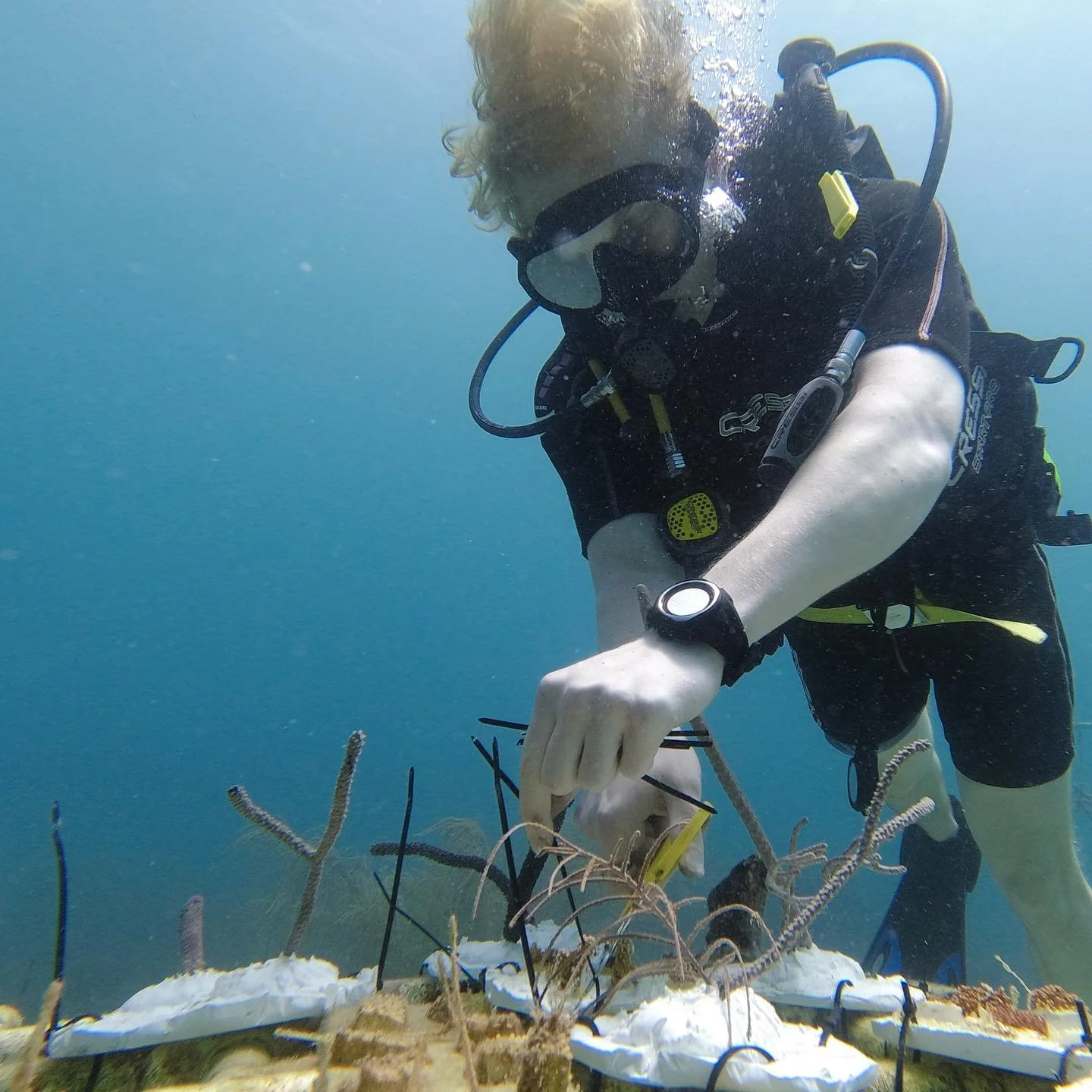
Globally, coastal communities find themselves at a critical juncture. Being at the forefront of the disruption that climate change brings with it, their strength and resilience will be critical for the health of our seas in the future.

Our approach is one that seeks to reinforce the bond within communities and amongst stakeholders, and to support them in strengthening the respect and relationship that they have with their marine environment.

Links

Marine Wildlife Watch of the Philippines

Topics include: Conservation; Elasmobranchs (sharks, rays, skates and sawfish)

Country/Region: Philippines

Marine Wildlife Watch of the Philippines (MWWP) is a non-profit, non-stock conservation organization that aims to develop a better appreciation of the marine environment, its ecological processes and how it affects all of us through activities that focus on long-lived marine animals, also referred to as Endangered, Threatened, and Protected Marine Wildlife (ETPs-MW), such as dolphins, whales, dugong, sharks, rays, and marine turtles: iconic species of the marine environment. Marine Wildlife Watch of the Philippines was incorporated on the 13th of September 2010.

Now in its 10th year, the organization’s goal to support the conservation and protection of marine wildlife species and their habitats in the Philippines partnerships and collaborative work, remains unchanged.

The organization is still run on a volunteer-basis by its founder and supporters.

The MWWP achieves its goals through projects and activities such as information dissemination, education and awareness raising campaigns, training, research, publication of knowledge products, policy and consultation work related to marine wildlife conservation. Providing relevant information online through various social media platforms, particularly Facebook, remains the main venue for information dissemination.

Links

Marine Conservation Philippines

Topics include: Coral Reefs; Environment/Sustainability; Policy/Governance

Country/Region: Philippines

Marine Conservation Philippines (MCP) is a non-governmental organization dedicated to protecting and preserving marine ecosystems through research, education, and community engagement. Based in the Philippines, one of the world's most biodiverse marine regions, MCP addresses critical environmental challenges, working to restore ocean health while empowering communities to become stewards of their natural resources.

The organization’s mission is multifaceted, encompassing initiatives such as scientific research, policy advocacy, marine protected area (MPA) management, and environmental education. By fostering collaboration with local stakeholders, MCP works tirelessly to develop sustainable solutions to pressing marine issues, including overfishing, coral reef degradation, and the impacts of climate change.

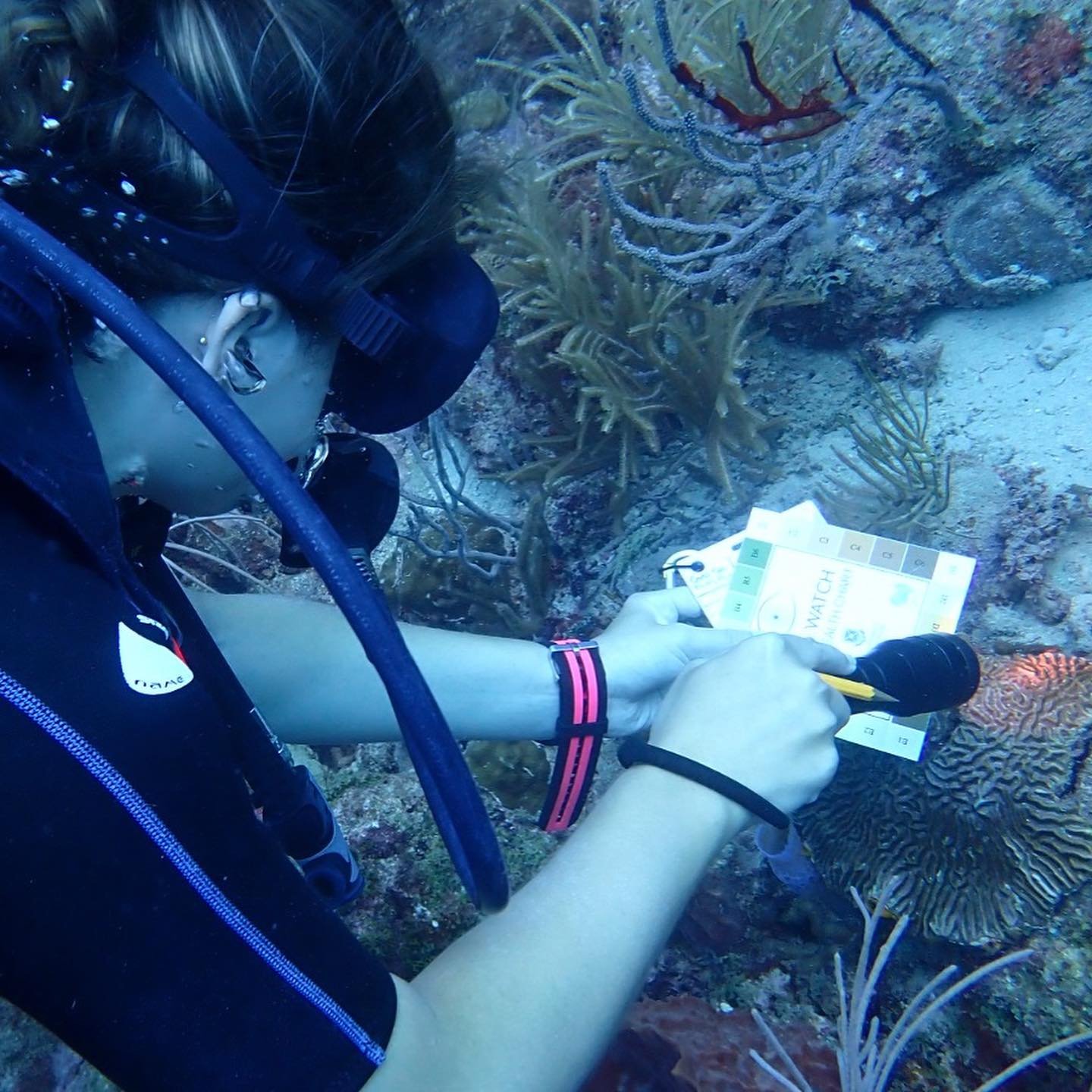
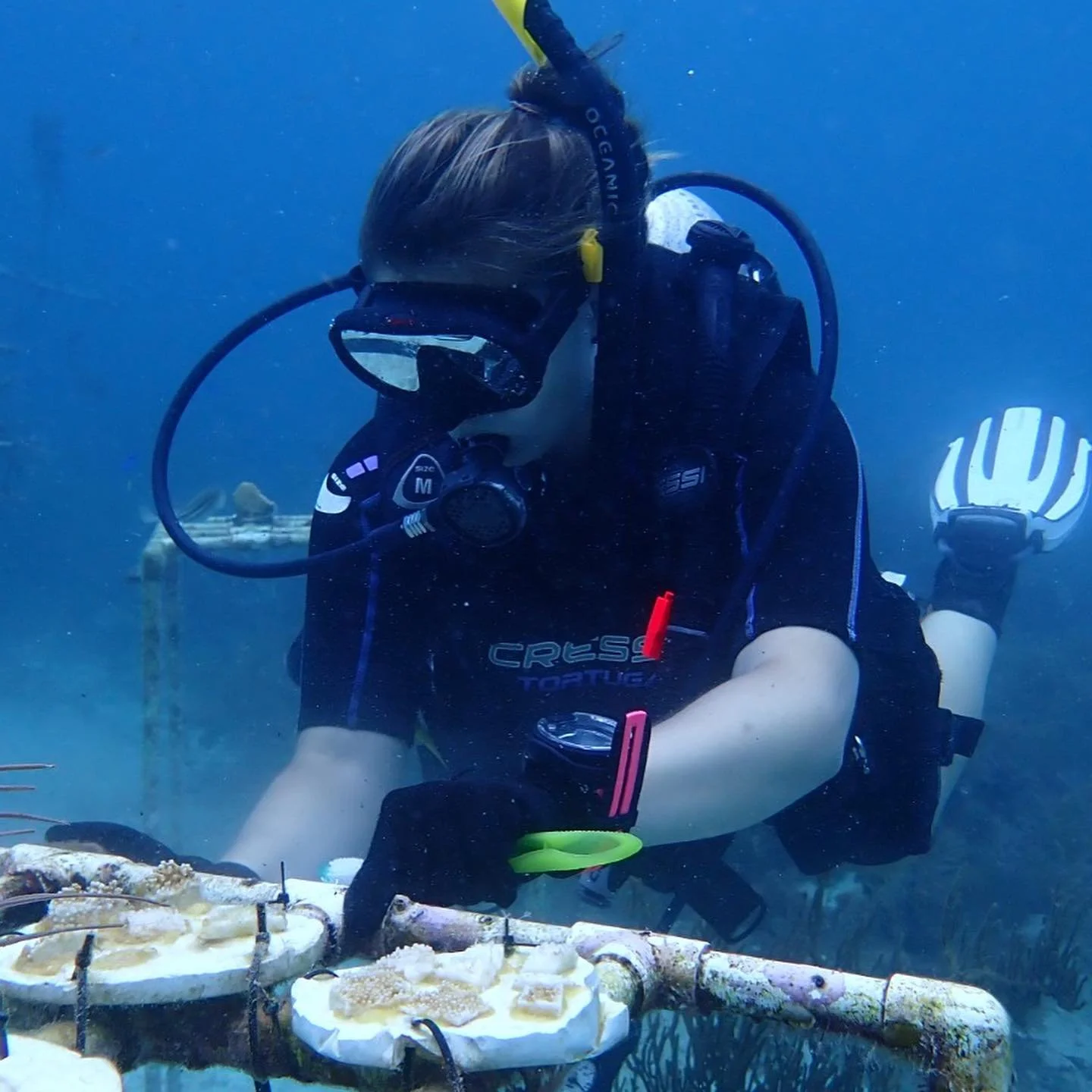
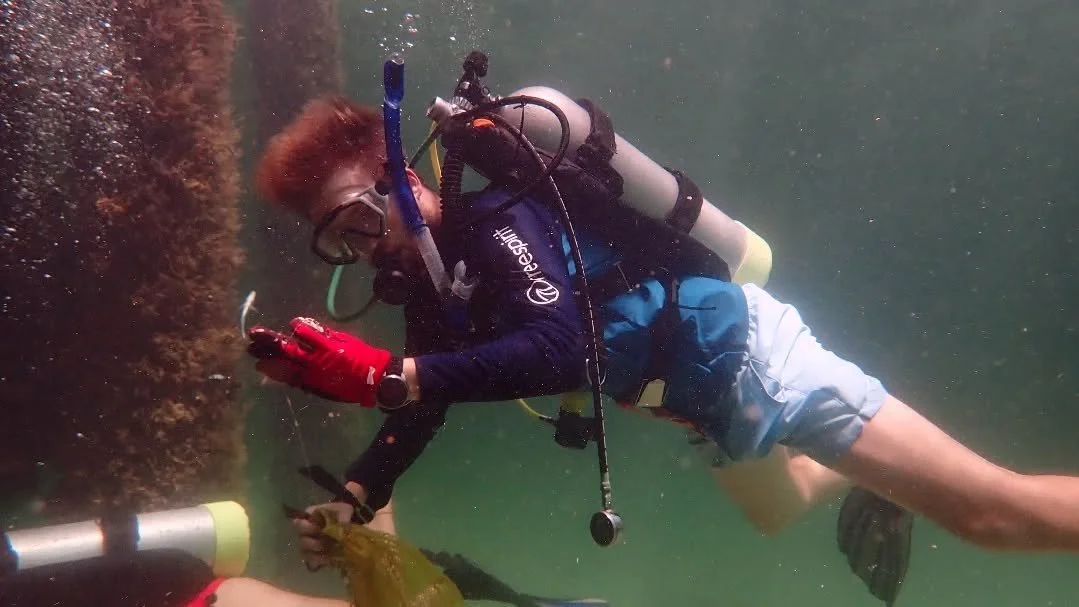
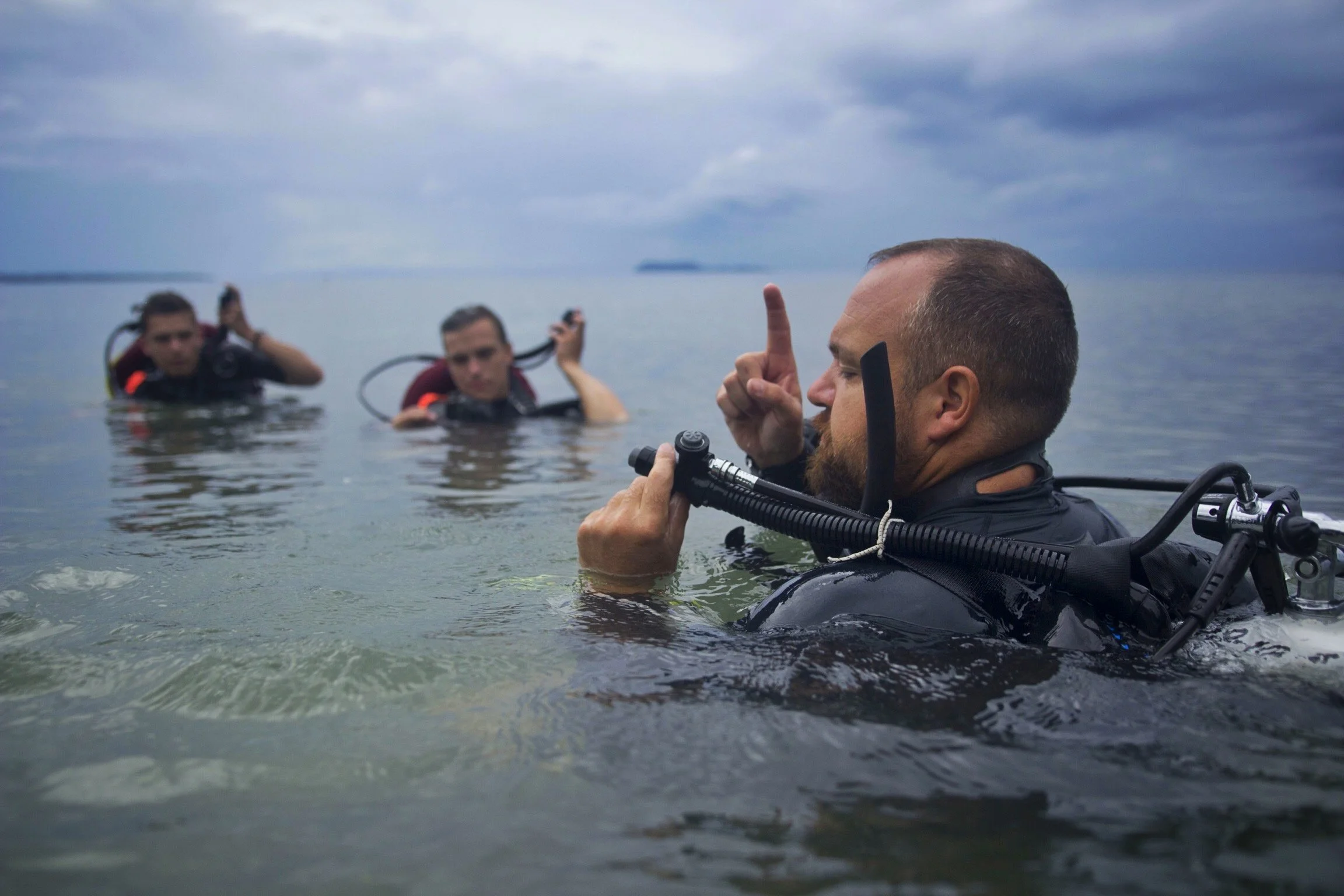
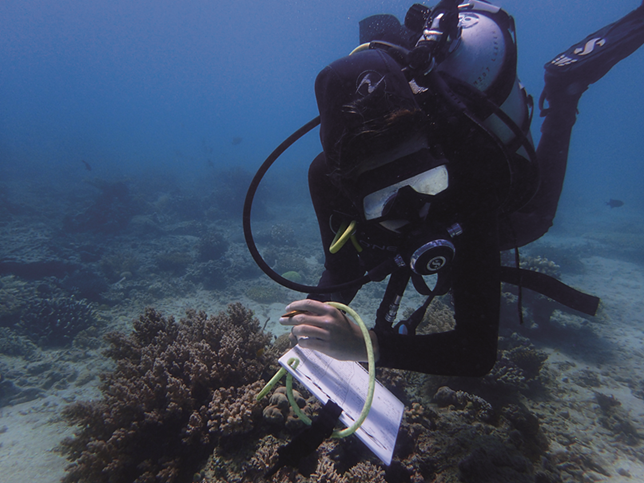
At the heart of MCP's operations is its groundbreaking volunteer-based citizen science program. This initiative invites individuals from around the globe to contribute directly to meaningful marine conservation efforts. Volunteers join a dynamic, hands-on program that blends scientific training, underwater research, and community outreach. With expert guidance, participants become active contributors to data collection and analysis that informs critical decisions about marine resource management.

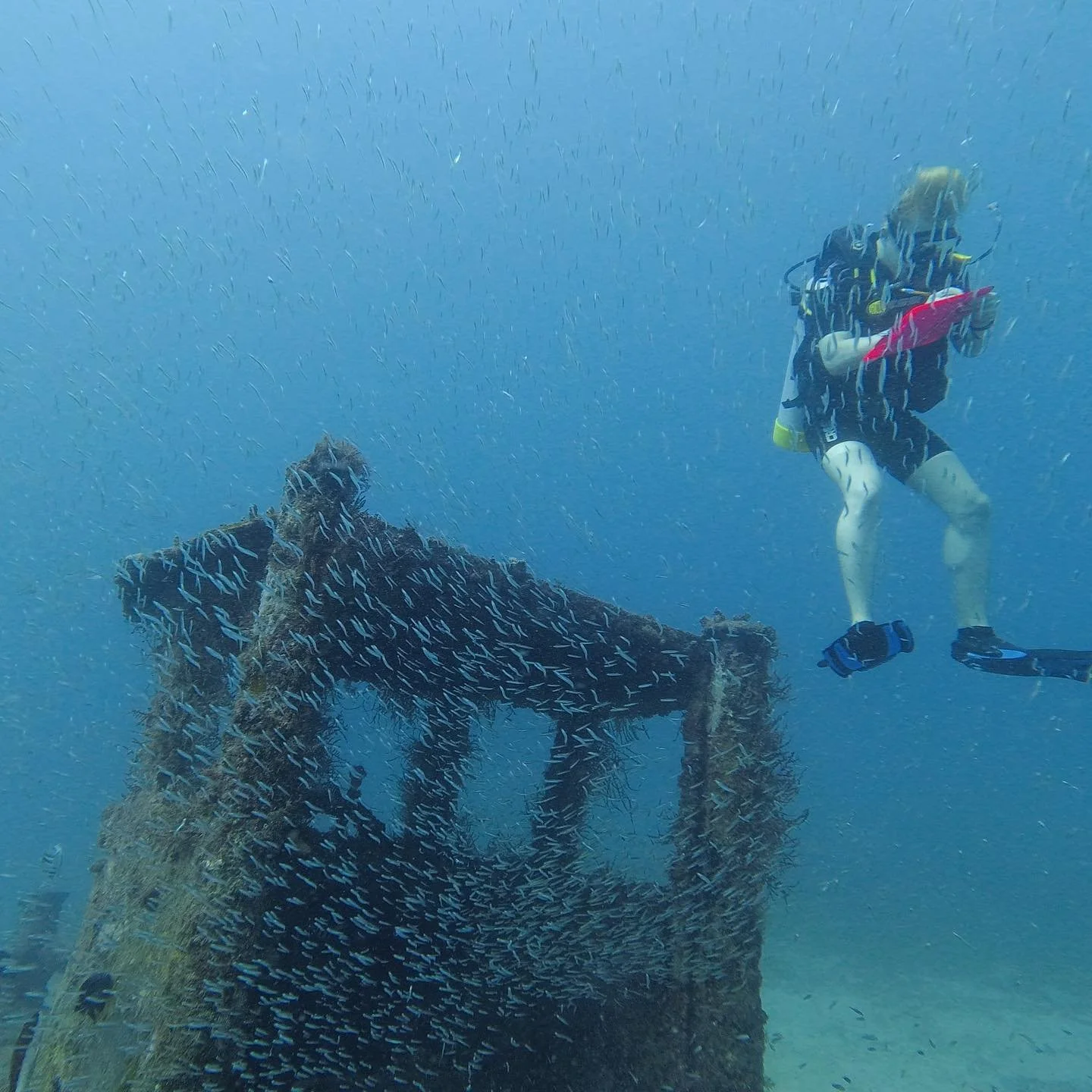
This citizen science program is more than just an opportunity to learn about marine biology and ecology—it’s a chance to make a tangible difference. Volunteers assist in a wide range of tasks, from conducting reef health surveys and biodiversity assessments to mapping habitats and monitoring fish populations. These efforts are vital in evaluating the effectiveness of MPAs and identifying areas that require additional protection or restoration.

By involving volunteers in its work, MCP bridges the gap between science and society, transforming passion for the environment into action. Participants leave not only with newfound skills and knowledge but also with a deep understanding of the challenges facing our oceans and the role they can play in addressing them.

Beyond citizen science, MCP undertakes a variety of other impactful initiatives. The organization actively collaborates with local government units, fisherfolk, and other community stakeholders to design and implement effective MPAs, ensuring these sanctuaries deliver both ecological and socioeconomic benefits. MCP also conducts capacity-building programs for local communities, equipping them with tools and knowledge to sustainably manage their marine resources.

Education is another cornerstone of MCP’s approach. The NGO runs workshops, seminars, and youth programs that raise awareness about environmental issues and inspire a new generation of conservationists. In addition, MCP engages in outreach efforts aimed at reducing plastic pollution, promoting sustainable fishing practices, and advocating for stronger environmental policies at regional and national levels.

MCP’s holistic approach to marine conservation reflects the interconnectedness of ecosystems, economies, and communities. Whether through the work of dedicated volunteers, collaborations with local stakeholders, or education programs, the organization strives to create lasting positive change.

By joining Marine Conservation Philippines, you don’t just witness the beauty of the underwater world—you become a part of its protection. Every dive, every survey, and every conversation contributes to a larger vision: thriving oceans that support both biodiversity and resilient coastal communities.

For those passionate about making a difference, MCP’s citizen science program offers a unique opportunity to be on the frontlines of marine conservation, ensuring the ocean’s future for generations to come.

Links

Large Marine Vertebrates Research Institute Philippines (LAMAVE)

Topics include: Conservation; Elasmobranchs (sharks, rays, skates and sawfish); Fisheries; Ocean Literacy; Sea Turtles

Country/Region: Philippines

We are a Filipino non-government organisation dedicated to the conservation of marine megafauna. We believe science, people and knowledge are key to protect the oceans and the species that call them home. Our team, who come from different backgrounds are united by a shared passion to ensure a secure and prosperous ocean for marine life and people.

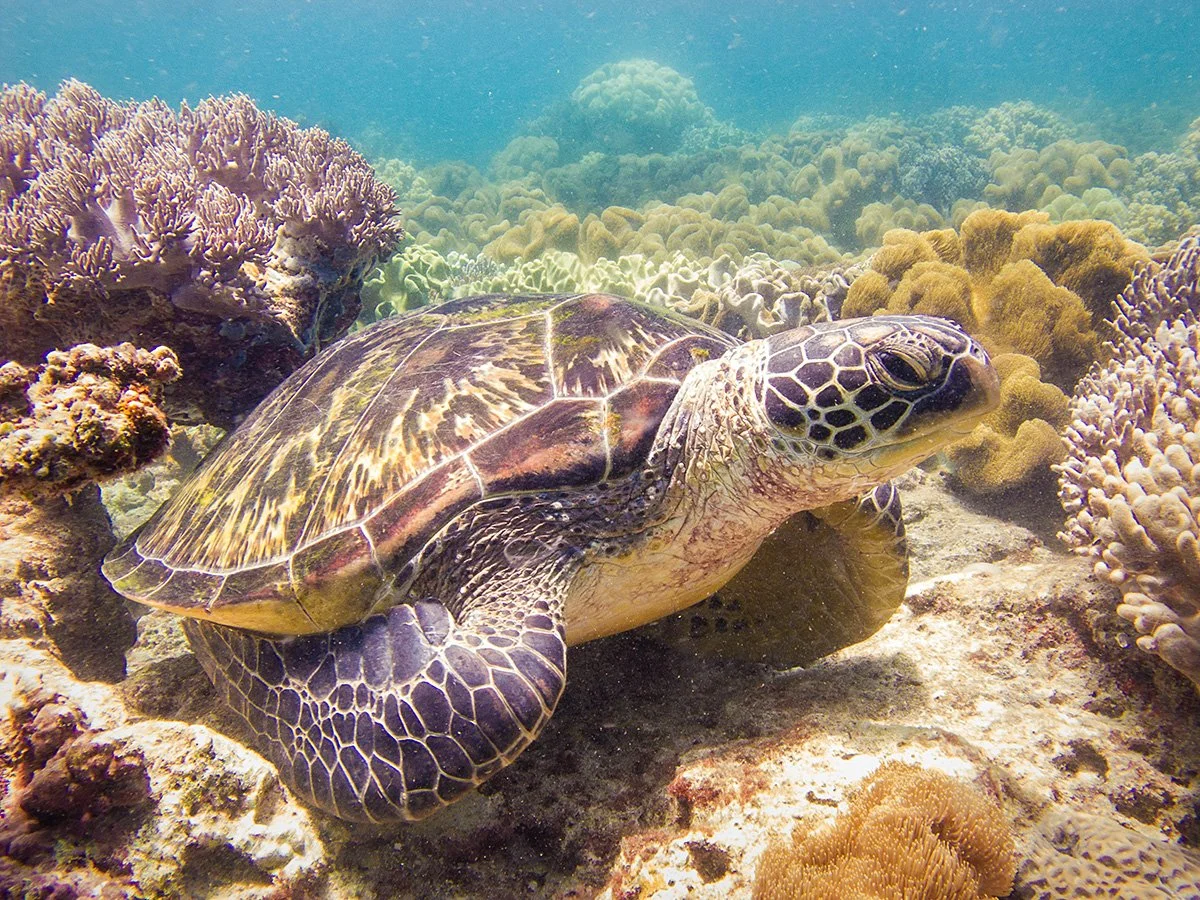
LAMAVE began in 2010 as a project with the organisation Physalus as a marine mammal research expedition in the Bohol Sea - an incredible deep water trench in Central Visayas with strong currents and upwellings. It quickly became obvious that the Bohol Sea was a hotspot for marine megafauna, hosting not only cetaceans but also whale sharks, manta rays and turtles. We thus diversified our research efforts to encompass these other marine taxa. Over time the locations of our research sites grew as well, expanding our conservation impact across the country.

Links

Institute for Marine Research


Topics include: Coral Reefs; Environment/Sustainability; Oceanography; Policy/Governance

Country/Region: Philippines


The Institute for Marine Research (IMR) is a dynamic nonprofit organization dedicated to advancing marine science, conservation, and community education across the Philippines. With a mission to protect marine biodiversity and empower local communities, IMR conducts cutting-edge research, delivers impactful conservation initiatives, and runs inclusive outreach programs that inspire the next generation of ocean stewards.

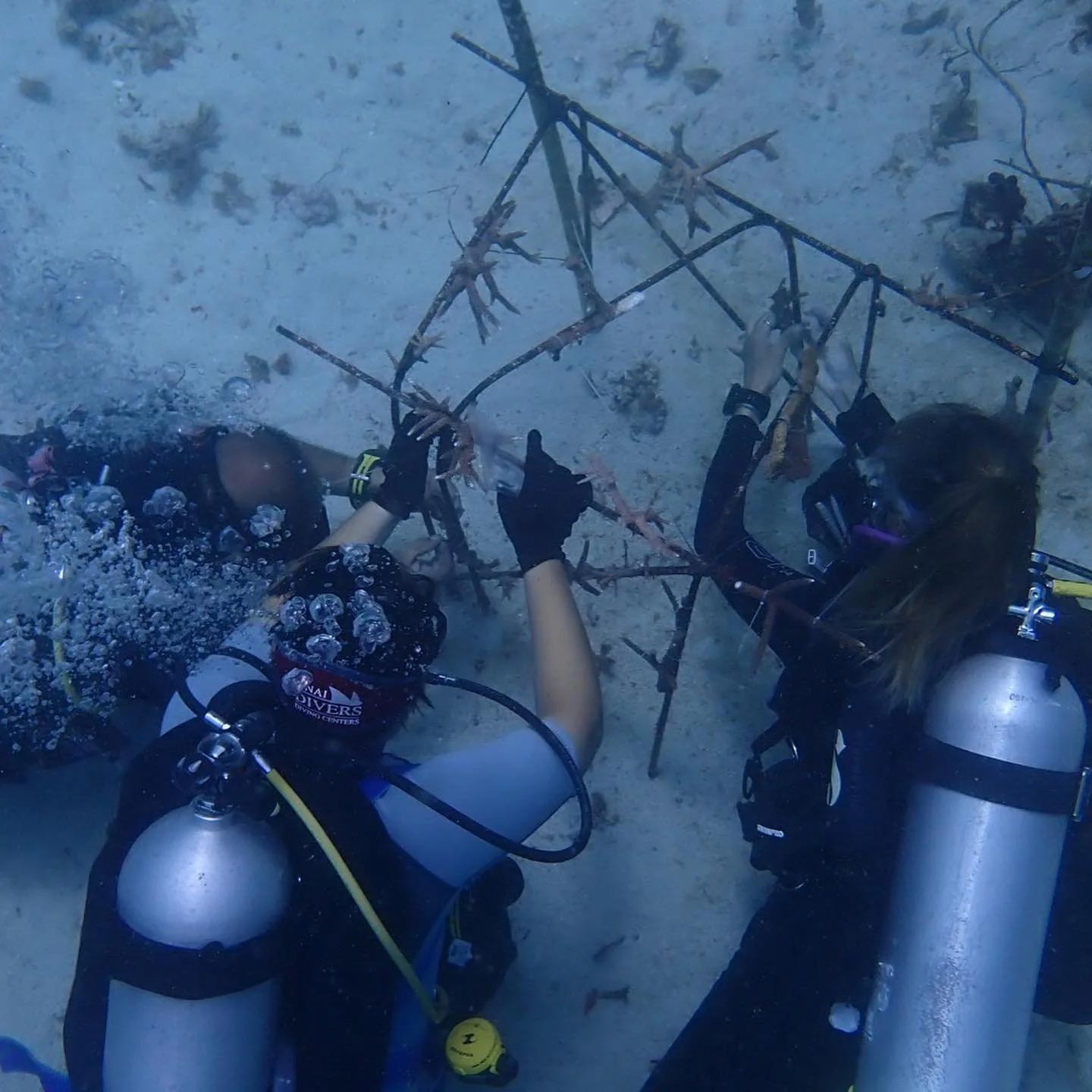
Based in Dauin, Negros Oriental, IMR operates in some of the Philippines’ most biodiverse marine environments. The organization collaborates with scientists, divers, students (including masters and PhD students), and community partners to study reef ecosystems, monitor environmental changes, and restore damaged habitats. IMR’s work includes coral reef surveys using the most high tech monitoring possible. We are big proponents of the digitalization of monitoring systems moving away from old school visual monitoring.

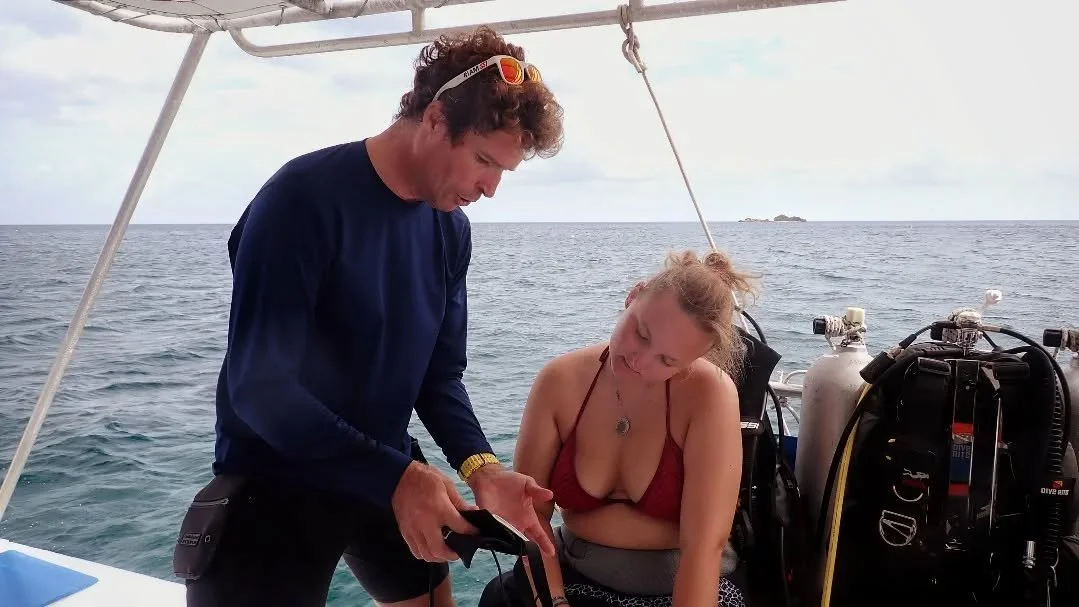
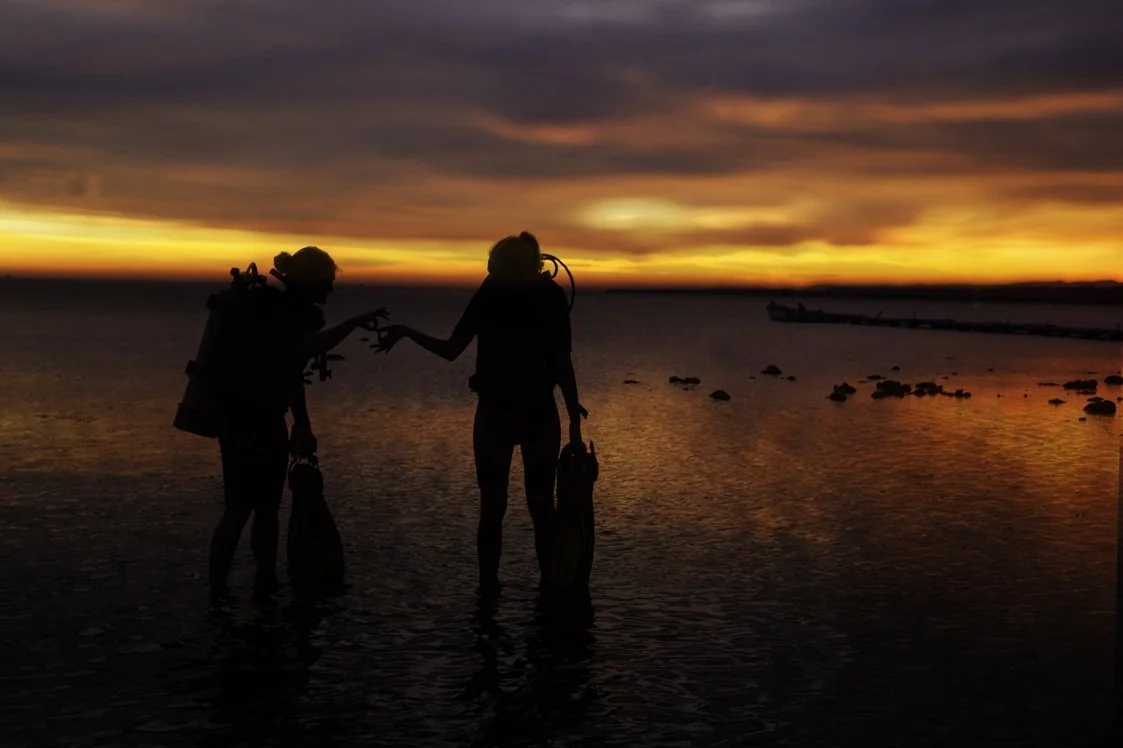
At the heart of IMR’s mission is community engagement. Programs like the Reef Rangers Initiative provide marine conservation training and scuba diving certification for underprivileged youth—especially girls—from local orphanages, equipping them with skills and confidence to become future leaders in ocean conservation.

IMR also partners with schools and resorts to offer marine science clubs, educational workshops, and citizen science projects. Its after-school programs for kids combine fun, hands-on activities with marine ecology lessons, culminating in snorkeling trips to local reefs.

By bridging science, education, and community action, IMR fosters a culture of environmental responsibility while producing valuable data that supports sustainable marine management.

Links

Coral Triangle Center

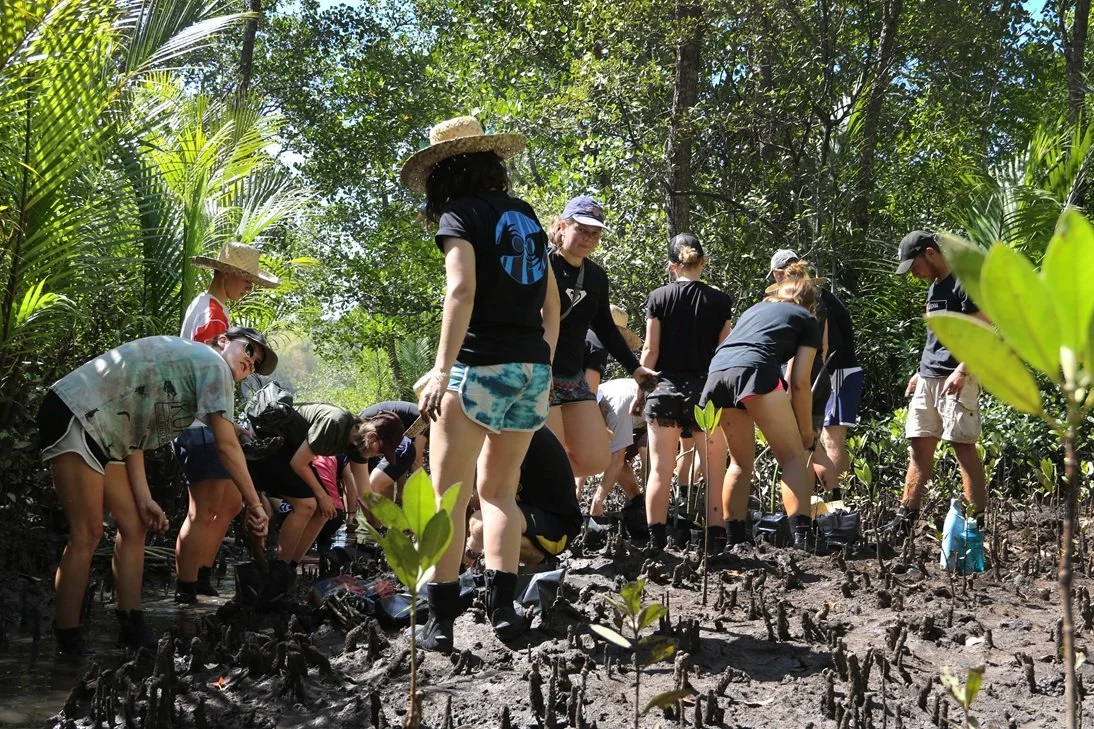
Topics include: Capacity Building; Coastal Communities; Conservation; Coral Reefs; Mangroves

Country/Region: Bali; Indonesia; Malaysia; Maluuku; Papua New Guinea; Philippines; Solomon Islands; Timor-Leste

We are a foundation based in Bali with a regional scope and global impact. We work closely with local communities, private sector, governments, and partners to strengthen marine resource management in the Coral Triangle to protect coral reef ecosystems, ensure sustainable livelihoods, and food security. CTC supports on-the-ground conservation in Nusa Penida in Bali, Banda Islands in Maluku, as well as Atauro Island and Liquica in Timor-Leste. We are developing our Center for Marine Conservation in Bali to serve as an integrated learning space for training programs, outreach activities, and artistic and cultural performances to influence millions of people to care for our oceans and those that depend on it. We lead regional learning networks of women leaders, local government executives and marine protected area practitioners in Indonesia, Malaysia, Philippines, Papua New Guinea, Solomon Islands and Timor-Leste. We are a certified training center of the Government of Indonesia and an official partner of the Coral Triangle Initiative on Coral Reefs, Fisheries and Food Security.

Links

Center for Empowerment and Resource Development (CERD)

🏷️ Topics include: Capacity Building; Coastal Communities; Fisheries

📍 Country/Region: Philippines

CERD is a non-government organization that is operating since 1978. It envisions empowered and self-reliant communities living in harmony with a healthy coastal environment, and as such would like to facilitate the establishment of communities with responsive institutions for community-based coastal resource management.

Early beginnings can be traced back to 1978, when an informal group of professionals embarked on a community-based health program in fishing community in Pangasinan. With this as an entry point into organizing the people towards solving their various problems, the group maintained links and shared experiences with other development organizations.

CERD was formally established and registered with the Securities and Exchange Commission as Community Extension and Research for Development, Inc. in September 1983. It is one of the pioneer NGOs to focus on the fisheries sector and fisheries issues.

Our sponsorship of a National Consultation of Small Fisherfolk in 1986 significantly led to the identification of key issues affecting the sector in various parts of the country. The consultation eventually paved the way for the formation of a national fisherfolk organization, the Pambansang Kilusang Mamamalakaya ng Pilipinas (PAMALAKAYA-Pilipinas.)

🔗 Links

//this is lasy summaries //this is to have carousels auto rotate