️Works on: Coastal Communities; Fisheries; Indigenous Knowledge & Stewardship; Ocean Literacy; Policy/Governance; Socioeconomics; Seafarers; Restoration/Rehabilitation; Environment/Sustainability; Conservation; Marine Pollution (inc. plastics, litter); Invertebrates
Country/Region: United Kingdom
World Wildlife Fund (WWF)
Topics include: Climate Change; Coastal Communities; Conservation; Fisheries; Marine Pollution (inc plastics, litter); Policy/Governance
Country/Region: Global
All around the world, people are waking up to the deepening crisis of nature loss. We’re experiencing a growing realization that nature is our life-support system and that no one will be spared from the impacts of its loss.
Here at WWF, an independent conservation organization active in nearly 100 countries, we are working to sustain the natural world for the benefit of people and wildlife.
We are part of a growing coalition calling on world leaders to set nature on the path to recovery by 2030 – a New Deal for Nature and People as comprehensive as the global climate deal.
Working with many others – from individuals and communities to business and government – WWF urgently seeks to protect and restore natural habitats, stop the mass extinction of wildlife, and make the way we produce and consume sustainable.
Our mission To stop the degradation of the earth’s natural environment and to build a future in which humans live in harmony with nature by:
conserving the world’s biological diversity ensuring that the use of renewable natural resources is sustainable promoting the reduction of pollution and wasteful consumption.
Links
TRAFFIC
Topics include: Policy/Governance; Wildlife Trade
Country/Region: Global
Our mission is to ensure that trade in wild species is legal and sustainable, for the benefit of the planet and people TRAFFIC’s mission is built on the long-term vision of the Kunming-Montreal Global Biodiversity Framework: a world living in harmony with nature where by 2050, biodiversity is valued, conserved, restored, and wisely used, maintaining ecosystem services, sustaining a healthy planet and delivering benefits essential for all people.
Our mission is closely linked with the Sustainable Development Goals, particularly those related to terrestrial and marine ecosystems and sustainable production and consumption.
Our work reinforces the vision for legal and sustainable international trade set out in the CITES Strategic Vision for 2021-2030 and the focus on sustainable use of biodiversity set out in the Convention on Biological Diversity.
To realise this long-term mission, we have set two specific goals to guide our work through 2030, linked to the targets of the Global Biodiversity Framework:
Illegal and unsustainable trade in wild species will be significantly reduced by 2030; Legal and sustainable trade in wild species will provide significantly increased social, economic, and environmental benefits for people by 2030.
Links
Surfrider Foundation USA
Topics include: Climate Change; Marine Pollution (inc plastics, litter); Policy/Governance; Water Quality
Country/Region: USA
The Surfrider Foundation is dedicated to the protection and enjoyment of the world’s ocean, waves, and beaches, for all people, through a powerful activist network.
Links
Surfrider Foundation Europe
Topics include: Climate Change; Marine Pollution (inc plastics, litter); Policy/Governance; Water Quality
Country/Region: Europe-Wide
For more than 30 years, Surfrider Foundation Europe has been protecting, safeguarding and enhancing the oceans and the entire population that benefits from them. It acts on a daily basis to fight against damage to the coastal environment and its users.
Links
Sunce
Topics include: Conservation; Marine Pollution (inc plastics, litter); Ocean Literacy; Policy/Governance
Country/Region: Croatia
Sunce is a non-governmental, non-party and non-profit organization founded in 1998, which today, in addition to members and volunteers, also has a team of employees, experts from various fields, united in achieving environmental and nature protection goals.
Based on numerous achieved successes, Sunce is nationally and internationally present as one of the leading organizations for nature and environmental protection in Croatia. We base our activities on current scientific indicators and examples of good practice, expertise and many years of experience in the field of nature and environmental protection.
We are here to protect the interests and the public’s right to a healthy environment, and create solutions to conservation and rational use of natural resources for the benefit of all citizens. // Sunce je nevladina, nestranačka i neprofitna organizacija osnovana 1998. godine koja danas, uz članove i volontere ima i tim zaposlenika, stručnjaka iz različitih područja, ujedinjenih u postizanju ciljeva zaštite okoliša i prirode.
Sunce je, na osnovu brojnih postignutih uspjeha, nacionalno i međunarodno prisutno kao jedna od vodećih organizacija za zaštitu prirode i okoliša u Hrvatskoj. Naše djelovanje temeljimo na aktualnim znanstvenim pokazateljima i primjerima dobre prakse, stručnosti i dugogodišnjem iskustvu u području zaštite prirode i okoliša.
Tu smo kako bismo štitili interes i pravo javnosti na zdrav okoliš, poticali primjenu i stvarali rješenja za očuvanje prirode i okoliša i razumno korištenje prirodnih resursa na dobrobit svih građana.
Links
South African Shark Conservancy
Topics include: Capacity Building/Training; Elasmobranchs (sharks, rays, skates and sawfish); Ocean Literacy; Policy/Governance
Country/Region: South Africa
The South African Shark Conservancy is a not-for-profit organization dedicated to protecting sharks. We conduct research on shark biology, behavior, and ecology to better understand their role in the marine ecosystem. Our lab is located in Hermanus with the sharkiest waters on the coast.
Our work also includes collaboration with government agencies and other non-profits to develop effective conservation policies. We believe in educating the public about the importance of sharks and their conservation.
Through our outreach programs, including talks and events, we aim to raise awareness about shark conservation. The Shark Academy is our academic field school that offers courses and internships for marine conservation research.
If you’re interested in studying marine biology or shark research, our Shark Academy is the perfect opportunity. Our hands-on training programs provide practical experience for those passionate about marine conservation.
We’re proud of the work we do to protect sharks in South Africa and beyond. Our efforts are making a difference in the conservation of these vital and misunderstood ocean animals. Join us in our mission to preserve and protect sharks for future generations.
Links
Shark Stewards
Topics include: Elasmobranchs (sharks, rays, skates and sawfish); Ocean Literacy; Policy/Governance
Country/Region: USA
Shark Stewards works to eliminate the global shark fin trade, through education and policy change from the USA to Asia, especially in the major import and consumption hubs of Malaysia, Singapore and China.
We work in policy to stop the overfishing of sharks and rays at the state, national and international level. Advocacy and introducing shark trade bans, increasing fisheries management in California, and building enforcement into international treaties have proven effective to reduce impacts on global shark populations. Our data, reports and comments to fisheries management organizations like the US National Marine Fisheries Service groups like the Pacific Fisheries Regional Management Council, United Nations Regional Fisheries Management Organizations (RMFO) and the Convention on International Trade of Endangered Species (CITES) influences decisions that protect sharks in national and international waters. Our work supports the establishment, implementation and monitoring of marine protected areas in the USA and in SE Asia and maintaining compliance and support through education.
Links
Organizatia Ecologista Neguvernamentala Mare Nostrum
Topics include: Conservation; Ocean Literacy; Policy/Governance
Country/Region: Romania
Suntem cel mai activ ONG de mediu din Constanța. Din 1994, creștem respectul față de mediu, dezvoltând anual proiecte care să ajute Constanța să devină un oraș cu adevărat european.
Fiecare proiect pe care îl implementăm corespunde unor direcții strategice clare și unor obiective atent construite:
Educație pentru dezvoltare durabilă Conservarea biodiversităţii din zona marină şi costieră şi gestiunea resurselor natural Influenţarea politicilor publice referitor la managementul urban În acest fel, putem să construim un cadru al activităților responsabile, pe parte de mediu. Fără implicarea noastră, cum va putea supraviețui ecosistemul Mării Negre?
Links
Ocean Revolution
Topics include: Coastal Communities; Ocean Literacy; Policy/Governance
Country/Region: Mozambique
We are the young generation of Mozambicans concerned about the health of the oceans and the well-being of the communities that depend on them.
Problem to Solve: The exclusion of local communities as relevant and autonomous actors in Mozambique’s conservation and management of marine and coastal resources.
Links
NRDC
Topics include: Fisheries; Marine Pollution (inc plastics, litter); Policy/Governance; Renewable energy
Country/Region: Global
NRDC works to safeguard the earth—its people, its plants and animals, and the natural systems on which all life depends. NRDC (the Natural Resources Defense Council) combines the power of more than 3 million members and online activists with the expertise of some 700 scientists, lawyers, and other environmental specialists to confront the climate crisis, protect the planet's wildlife and wild places, and to ensure the rights of all people to clean air, clean water, and healthy communities.
Links
Newfoundland and Labrador Environment Network (NLEN)
Topics include: Policy/Governance
Country/Region: Canada
The Newfoundland and Labrador Environment Network (NLEN) is a non-profit, non-governmental organisation whose purpose is to carry out environmental education with the following objective:
to educate members of the public (including members of environmental and other non-profit organizations, students, policy makers, educators, professionals and the general public) through topics such as climate change, protected areas, biodiversity, sustainable forestry, sustainable fisheries, waste management, water conservation, pesticide use and sustainable development.
We do this through a number of activities including:
Public Forums, Workshops & Events: The NLEN organizes public forums, workshops and events, usually in partnership with other organizations, to raise public awareness and education on environmental issues in our province. Educational materials: We work with our member groups to create education materials about environmental work in Newfoundland and Labrador. Participating in decisions that affect our environment: We respond to government calls for submissions on policy and legislation, and participate in multi-stakeholder consultations and initiatives. Working with our member groups to support their work through capacity building workshops, network facilitation, media support, and promotion.
Links
National Audubon Society
Topics include: Climate Change; Conservation; Policy/Governance; Seabirds
Country/Region: Canada; Carribbean; Latin America; USA
Audubon protects birds and the places they need, today and tomorrow. Across aisles. Across landscapes. Across borders. When it comes to our environment, birds are a uniting force. Birds cross borders, from neighborhoods to states and beyond, migrating tens of thousands of miles across multiple countries from one tip of the planet to the other. And so do we. Audubon's hemispheric approach recognizes that the majority of bird species in the Americas migrate annually between Canada, the United States, Latin America, and the Caribbean. Audubon’s programs are like the birds—unencumbered by political boundaries and seamlessly integrated across the Western Hemisphere.
Links
Marine Conservation Society (MCS)
Topics include: Conservation; Environment/Sustainability; Fisheries; Marine Pollution (inc plastics, litter); Ocean Literacy; Policy/Governance
Country/Region: UK
The Marine Conservation Society is a leading UK environmental charity dedicated to protecting our ocean. For more than 40 years, we have been defending crucial habitats, regenerating vital ecosystems and inspiring volunteers to tackle the nature and climate emergency.
We drive political and social change through people-powered action. We unite communities, businesses, and governments to champion science-based solutions for cleaner, healthier seas for people and planet.
Links
Marine Conservation Philippines

Topics include: Coral Reefs; Environment/Sustainability; Policy/Governance
Country/Region: Philippines
Marine Conservation Philippines (MCP) is a non-governmental organization dedicated to protecting and preserving marine ecosystems through research, education, and community engagement. Based in the Philippines, one of the world's most biodiverse marine regions, MCP addresses critical environmental challenges, working to restore ocean health while empowering communities to become stewards of their natural resources.
The organization’s mission is multifaceted, encompassing initiatives such as scientific research, policy advocacy, marine protected area (MPA) management, and environmental education. By fostering collaboration with local stakeholders, MCP works tirelessly to develop sustainable solutions to pressing marine issues, including overfishing, coral reef degradation, and the impacts of climate change.
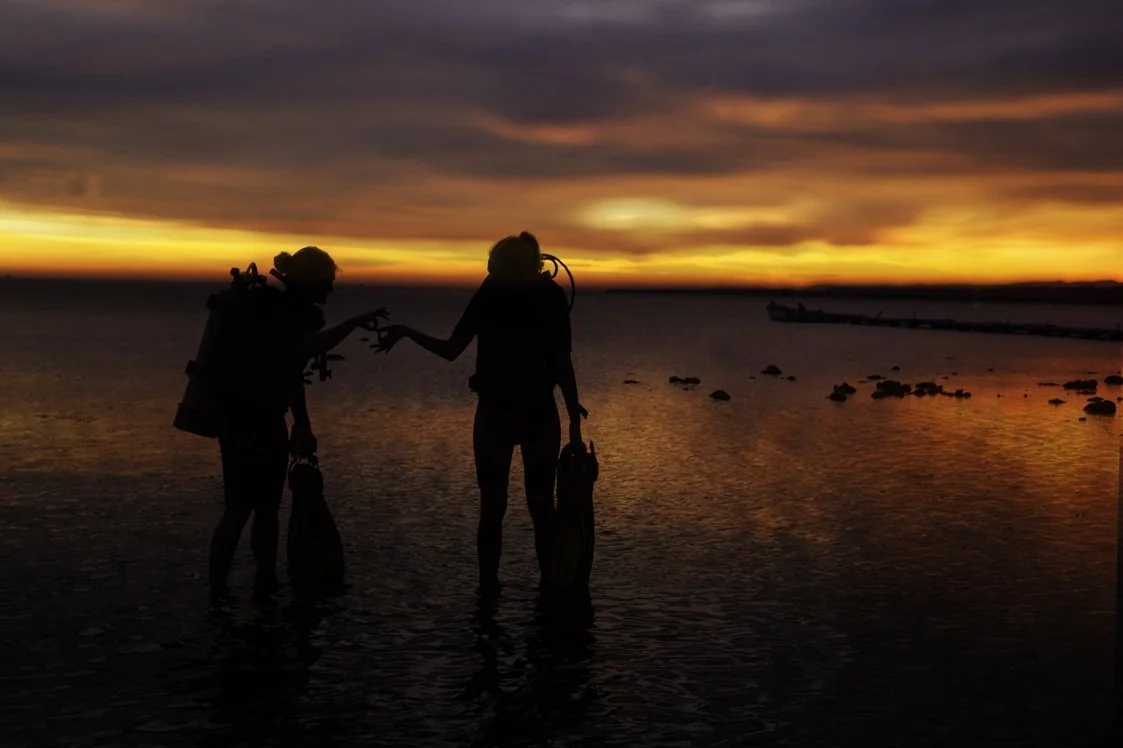
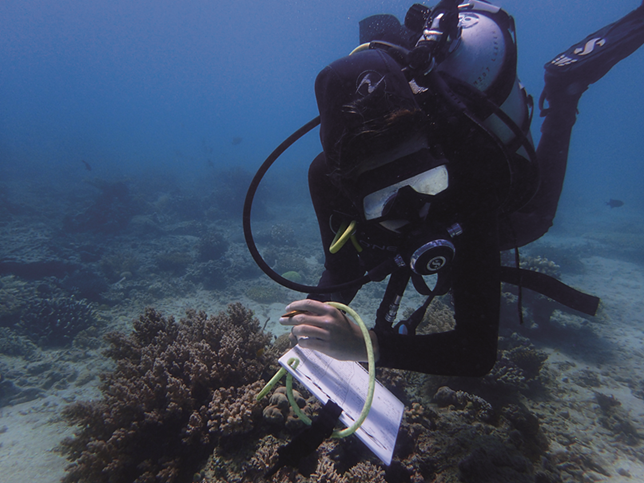
At the heart of MCP's operations is its groundbreaking volunteer-based citizen science program. This initiative invites individuals from around the globe to contribute directly to meaningful marine conservation efforts. Volunteers join a dynamic, hands-on program that blends scientific training, underwater research, and community outreach. With expert guidance, participants become active contributors to data collection and analysis that informs critical decisions about marine resource management.
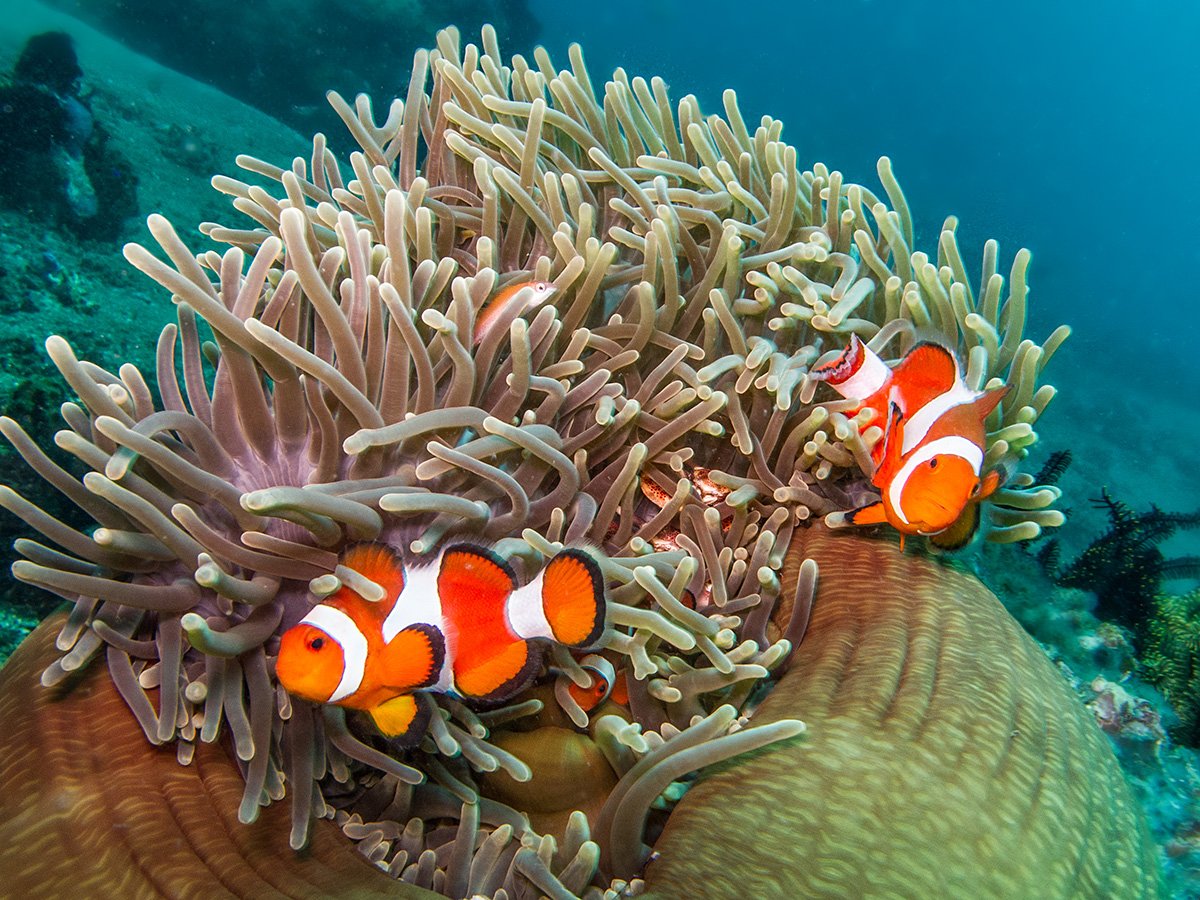
This citizen science program is more than just an opportunity to learn about marine biology and ecology—it’s a chance to make a tangible difference. Volunteers assist in a wide range of tasks, from conducting reef health surveys and biodiversity assessments to mapping habitats and monitoring fish populations. These efforts are vital in evaluating the effectiveness of MPAs and identifying areas that require additional protection or restoration.
By involving volunteers in its work, MCP bridges the gap between science and society, transforming passion for the environment into action. Participants leave not only with newfound skills and knowledge but also with a deep understanding of the challenges facing our oceans and the role they can play in addressing them.
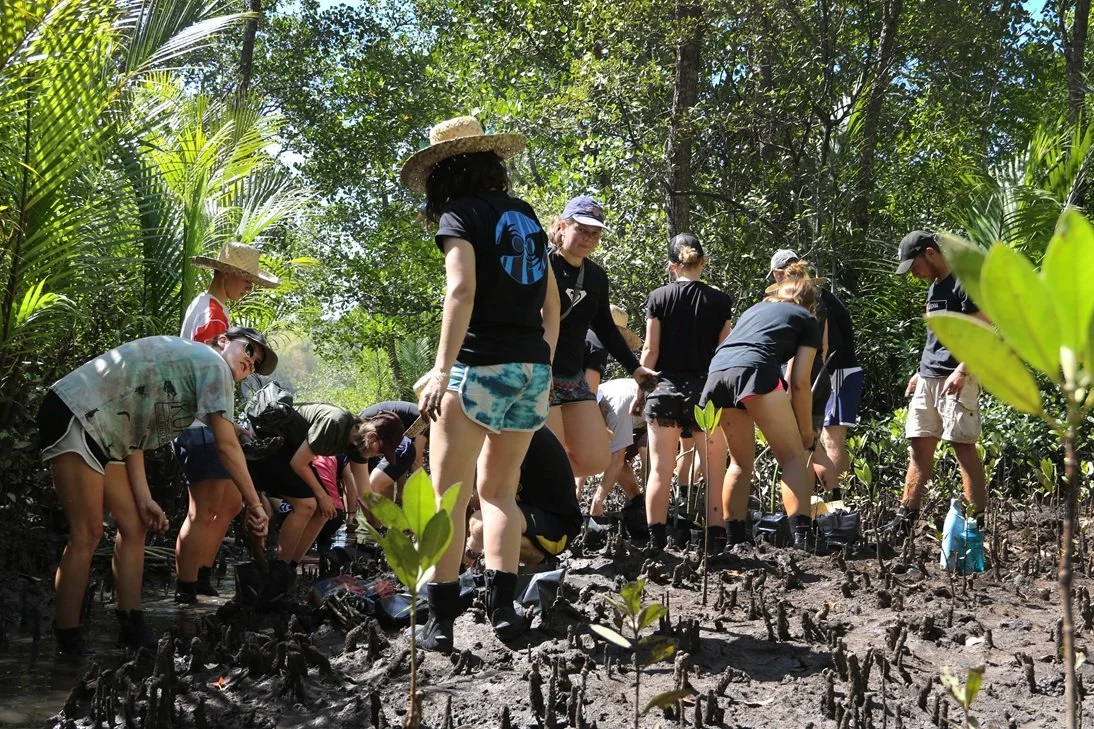
Beyond citizen science, MCP undertakes a variety of other impactful initiatives. The organization actively collaborates with local government units, fisherfolk, and other community stakeholders to design and implement effective MPAs, ensuring these sanctuaries deliver both ecological and socioeconomic benefits. MCP also conducts capacity-building programs for local communities, equipping them with tools and knowledge to sustainably manage their marine resources.
Education is another cornerstone of MCP’s approach. The NGO runs workshops, seminars, and youth programs that raise awareness about environmental issues and inspire a new generation of conservationists. In addition, MCP engages in outreach efforts aimed at reducing plastic pollution, promoting sustainable fishing practices, and advocating for stronger environmental policies at regional and national levels.
MCP’s holistic approach to marine conservation reflects the interconnectedness of ecosystems, economies, and communities. Whether through the work of dedicated volunteers, collaborations with local stakeholders, or education programs, the organization strives to create lasting positive change.
By joining Marine Conservation Philippines, you don’t just witness the beauty of the underwater world—you become a part of its protection. Every dive, every survey, and every conversation contributes to a larger vision: thriving oceans that support both biodiversity and resilient coastal communities.
For those passionate about making a difference, MCP’s citizen science program offers a unique opportunity to be on the frontlines of marine conservation, ensuring the ocean’s future for generations to come.
Manta Trust
Topics include: Elasmobranchs (sharks, rays, skates and sawfish); Environment/Sustainability; Leisure/Tourism; Oceanography; Policy/Governance
Country/Region: Africa-Wide; Brazil; Costa Rica; Fiji; India; Japan; Mexico; New Zealand; Portugal; Thailand; United Kingdom
Formed in 2011, the Manta Trust is a UK-registered charity that co-ordinates global manta and devil ray research and conservation efforts. Our team is comprised of a diverse group of researchers, scientists, conservationists, educators and media experts; working together to share and promote knowledge and expertise.
Links
International Collective in Support of Fishworkers
Topics include: Capacity Building; Fisheries; Policy/Governance
Country/Region: Global
The International Collective in Support of Fishworkers (ICSF) is an international non-governmental organization that works towards the establishment of equitable, gender-just,self-reliant and sustainable fisheries, particularly in the small-scale, artisanal sector.
ICSF draws its mandate from the historic International Conference of Fishworkers and their Supporters (ICFWS), held in Rome in 1984, parallel to the World Conference on Fisheries Management and Development organized by the Food and Agriculture Organization of the United Nations (FAO).
As a support organization, ICSF is committed to influence national, regional and international decision-making processes in fisheries so that the importance of small-scale fisheries, fishworkers and fishing communities is duly recognized. In this endeavour, ICSF works in collaboration with organizations of fishworkers and other like-minded groups.
“A future in which fishing communities and fishworkers lead a life of dignity, realizing their right to life and livelihood, and organizing to foster democracy, equity, sustainable development, and responsible use of natural resources.” Our Vision
Our Mission ICSF’s mission is “to support fishing communities and fishworker organizations, and empower them to participate in fisheries from a perspective of decent work, equity, gender-justice, self-reliance and sustainability”.
Links
Institute for Marine Research
Topics include: Coral Reefs; Environment/Sustainability; Oceanography; Policy/Governance
Country/Region: Philippines
The Institute for Marine Research (IMR) is a dynamic nonprofit organization dedicated to advancing marine science, conservation, and community education across the Philippines. With a mission to protect marine biodiversity and empower local communities, IMR conducts cutting-edge research, delivers impactful conservation initiatives, and runs inclusive outreach programs that inspire the next generation of ocean stewards.
Based in Dauin, Negros Oriental, IMR operates in some of the Philippines’ most biodiverse marine environments. The organization collaborates with scientists, divers, students (including masters and PhD students), and community partners to study reef ecosystems, monitor environmental changes, and restore damaged habitats. IMR’s work includes coral reef surveys using the most high tech monitoring possible. We are big proponents of the digitalization of monitoring systems moving away from old school visual monitoring.
At the heart of IMR’s mission is community engagement. Programs like the Reef Rangers Initiative provide marine conservation training and scuba diving certification for underprivileged youth—especially girls—from local orphanages, equipping them with skills and confidence to become future leaders in ocean conservation.
IMR also partners with schools and resorts to offer marine science clubs, educational workshops, and citizen science projects. Its after-school programs for kids combine fun, hands-on activities with marine ecology lessons, culminating in snorkeling trips to local reefs.
By bridging science, education, and community action, IMR fosters a culture of environmental responsibility while producing valuable data that supports sustainable marine management.
Links
Greenpeace

Topics include: Conservation; Environment/Sustainability; Fisheries; Marine Pollution (inc plastics, litter); Policy/Governance; Deep Sea
Country/Region: Global
Greenpeace exists because this fragile earth deserves a voice.
Some people look at a forest, and all they see is lumber. But there are millions more who see a home, a heritage, a future. Around the globe, we are standing up for our communities, and we are holding governments and corporations accountable.
We believe optimism is a form of courage. We believe that a billion acts of courage can spark a brighter tomorrow. To that end we model courage, we champion courage, we share stories of courageous acts by our supporters and allies, we invite people out of their comfort zones to take courageous action with us, individually in their daily lives, and in community with others who share our commitment to a better world. A green and peaceful future is our quest. The heroes of our story are all of us who believe that a better world is not only within reach, but being built today.
Let’s protect our blue planet together. People power has inspired governments around the world to support a ban on deep sea mining and the Global Ocean Treaty provides us with a powerful tool that can create vast ocean sanctuaries, once it is ratified.
Together, we can give our oceans space to recover and thrive, ensuring their health for every future generation.
Links
Environmental Defense Fund (EDF)
Topics include: Climate Change; Fisheries; Law; Policy/Governance
Country/Region: Global
We began in 1967, as a scrappy group of scientists and a lawyer on Long Island, New York, fighting to save osprey from the toxic pesticide DDT. Using scientific evidence, our founders got DDT banned in the U.S.
Today, we’re one of the world’s top environmental organizations. We deliver bold solutions that cut harmful pollution and strengthen the ability of people and nature to thrive — even with the changes to the climate we feel right now.
And science still guides everything we do.