Works on: Conservation; Restoration/Rehabilitation; Marine Pollution (inc plastics, litter)
Country/Region: Phillipines
Reef Buddy Philippines is a dynamic marine conservation initiative based in Dauin, Negros Oriental, at the heart of the Coral Triangle—one of the most biologically diverse marine regions in the world. Our mission is simple yet powerful: to protect fragile coral reef ecosystems while empowering local communities and international volunteers to become active stewards of the ocean. By blending hands‑on conservation, education, and sustainable tourism, we create meaningful opportunities for people to contribute to the health of our seas.
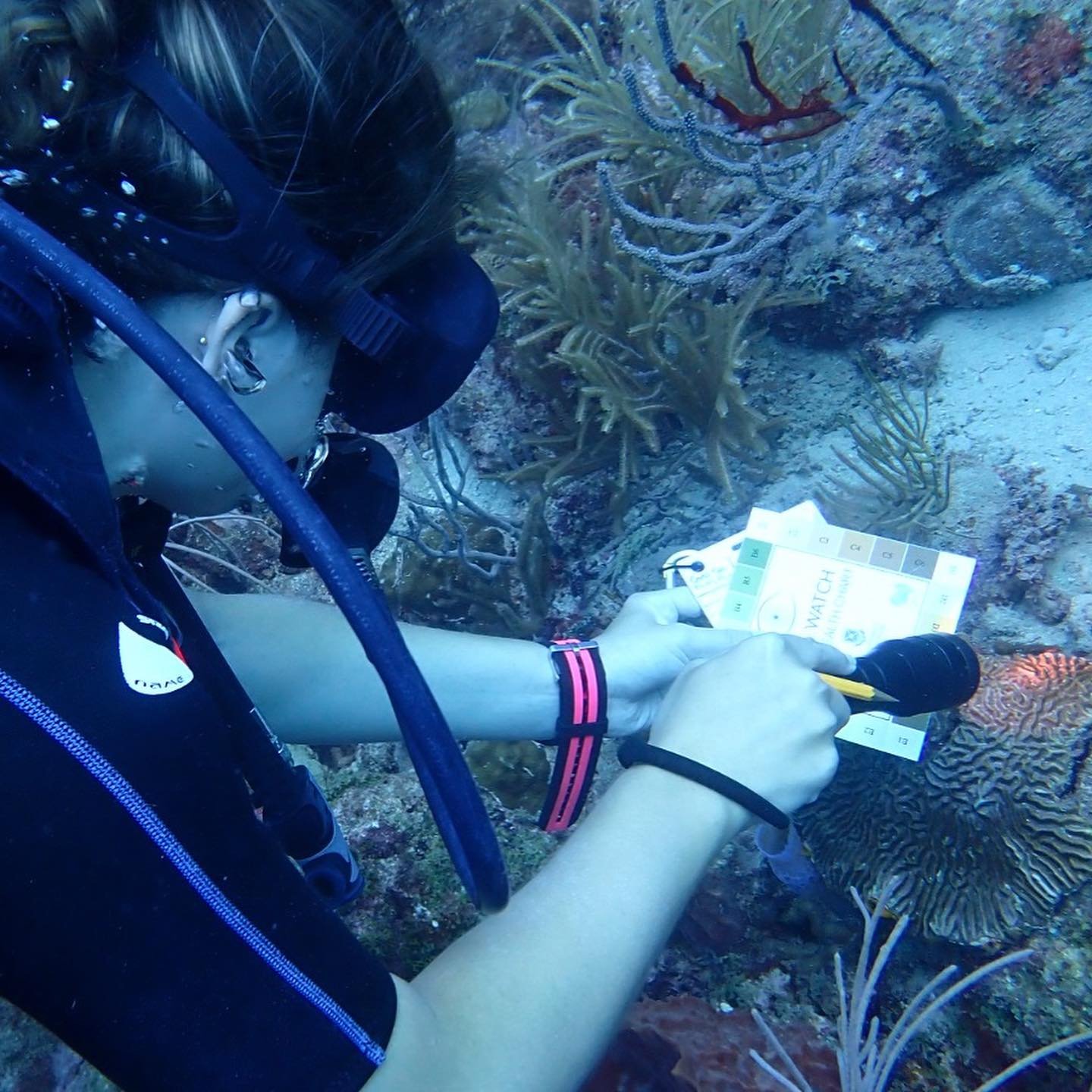
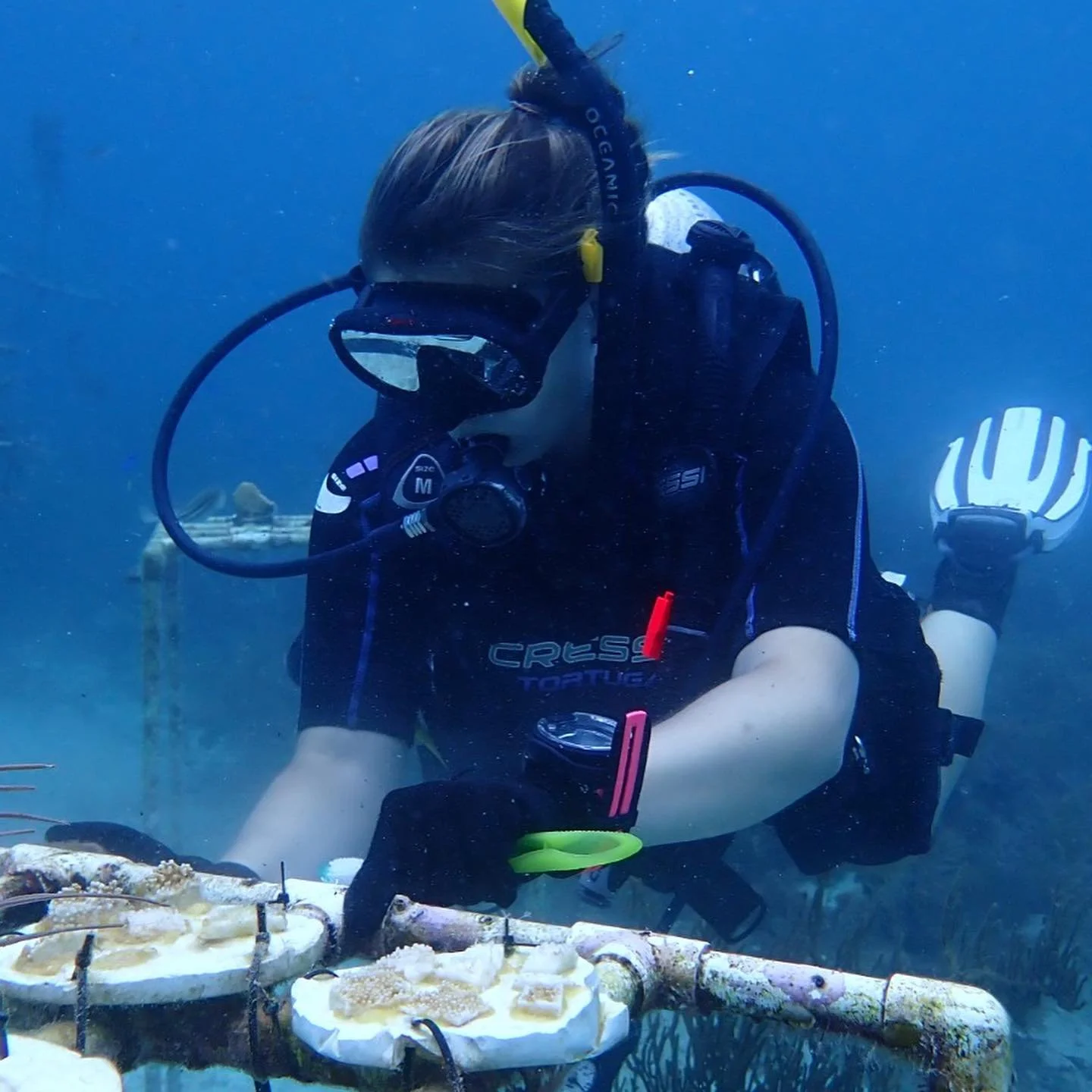
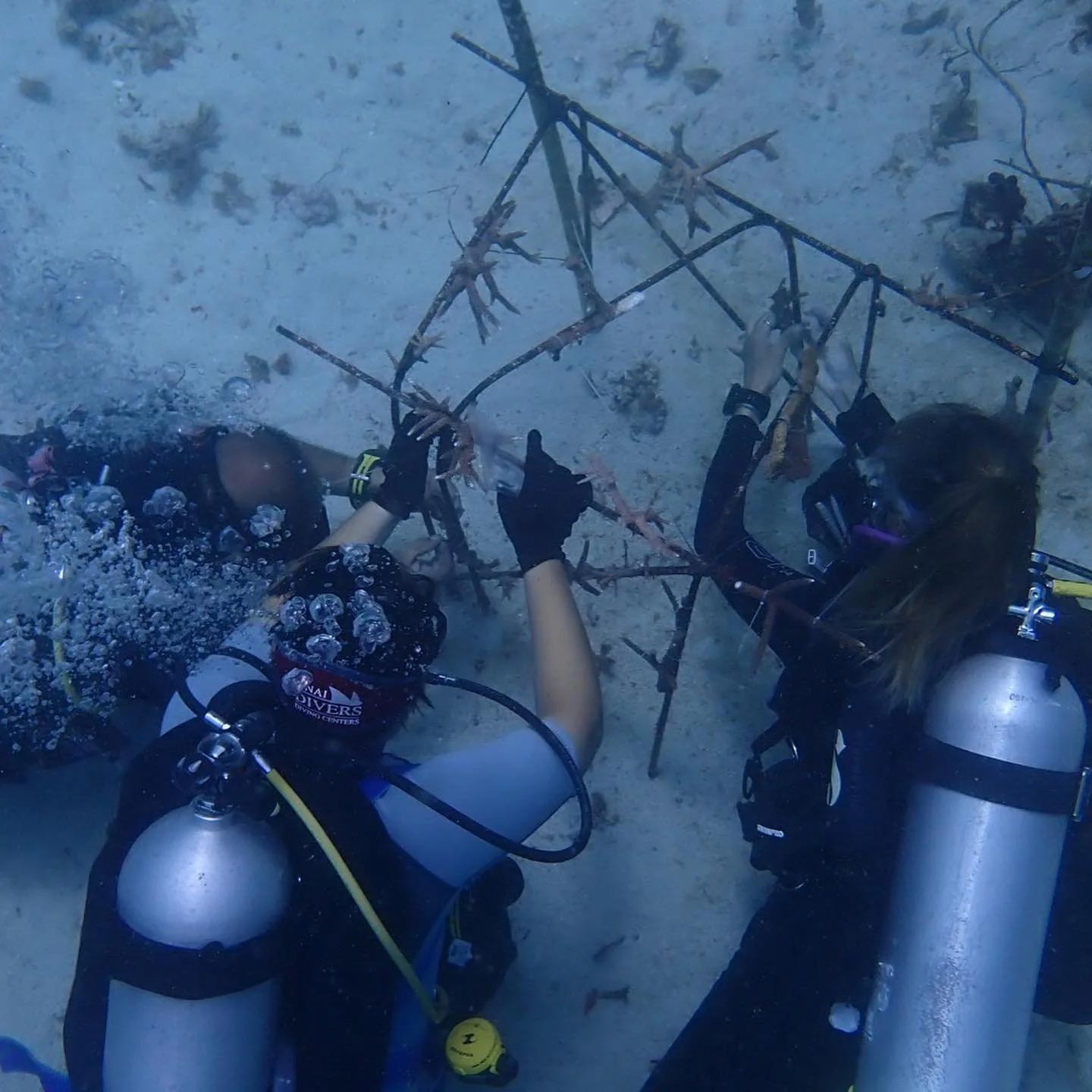
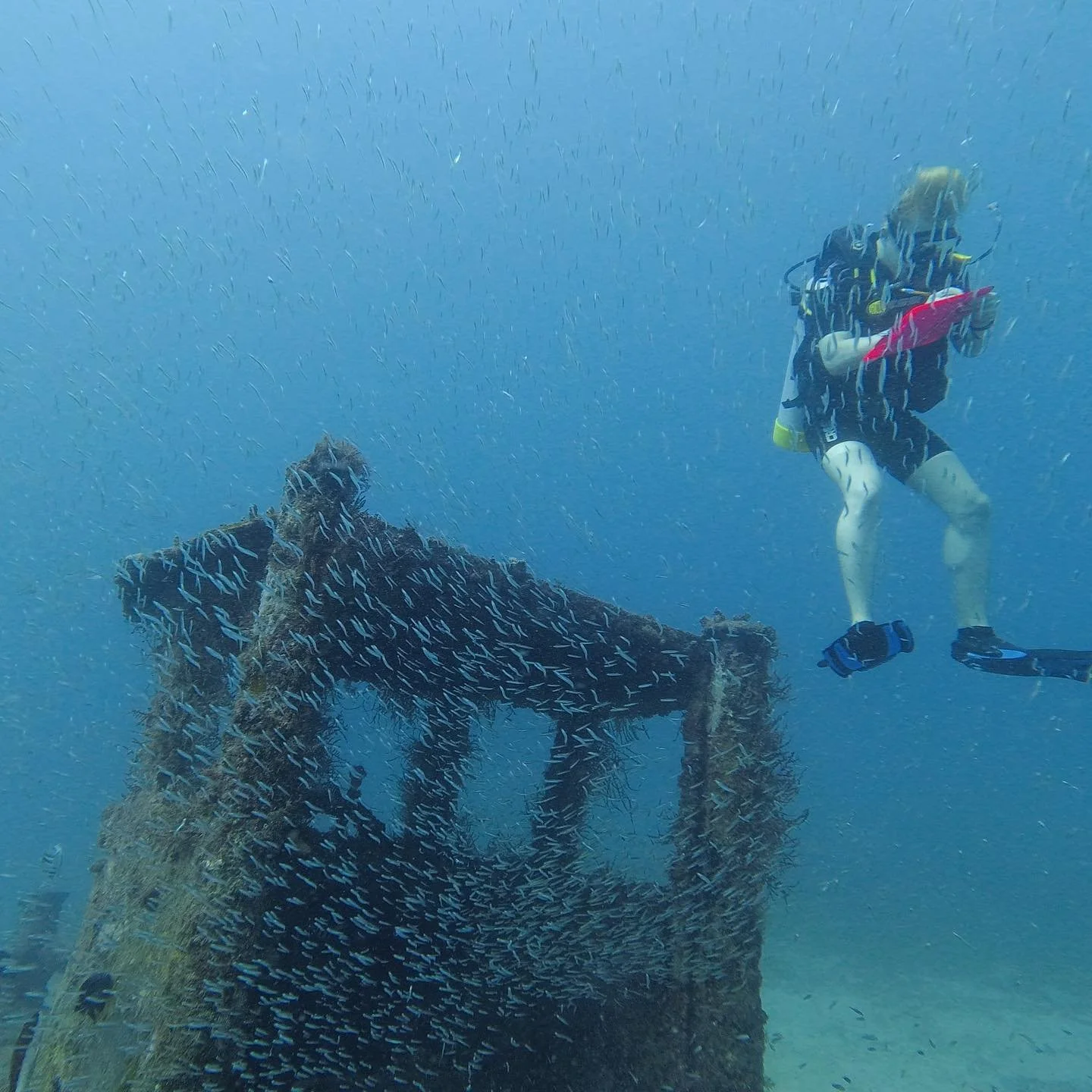
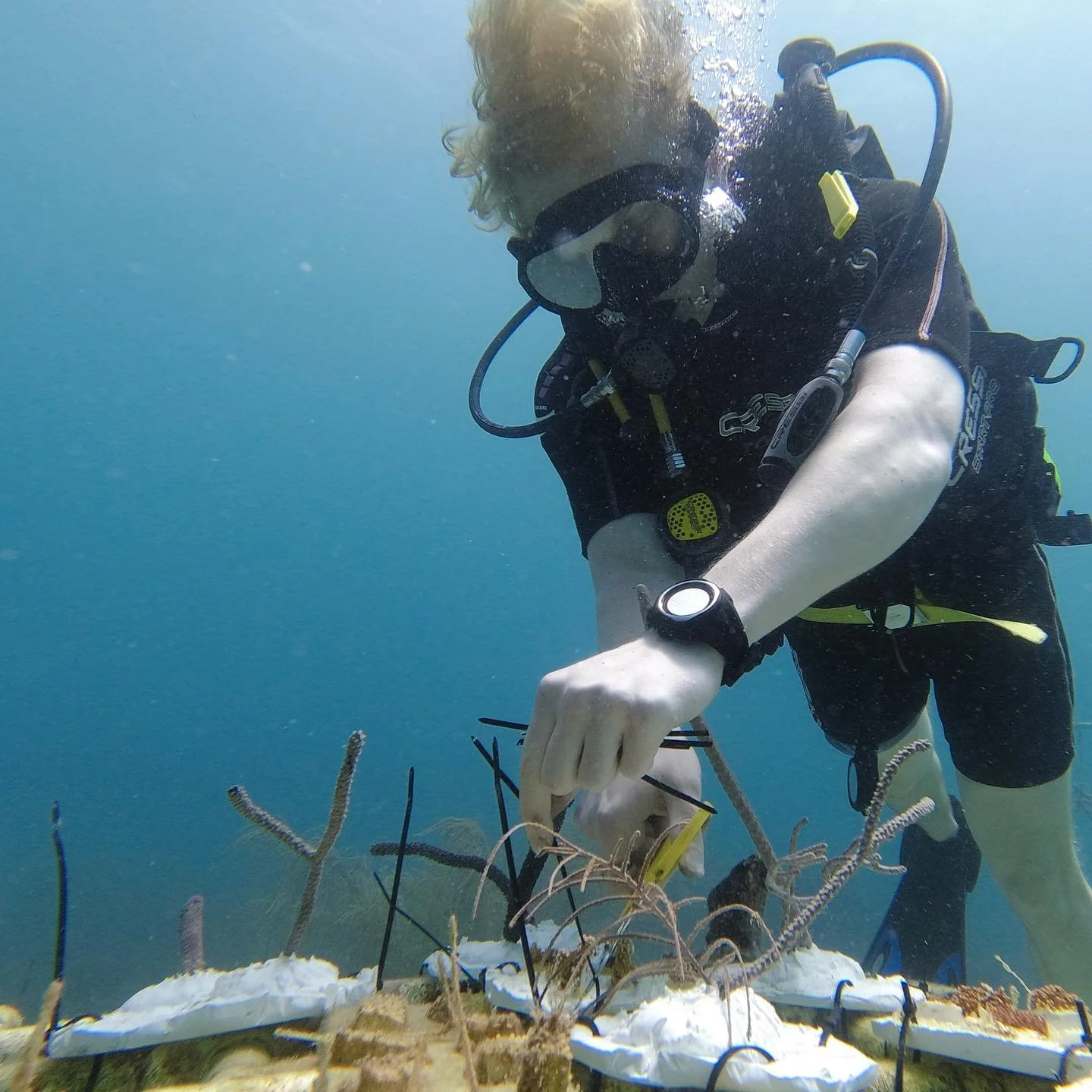
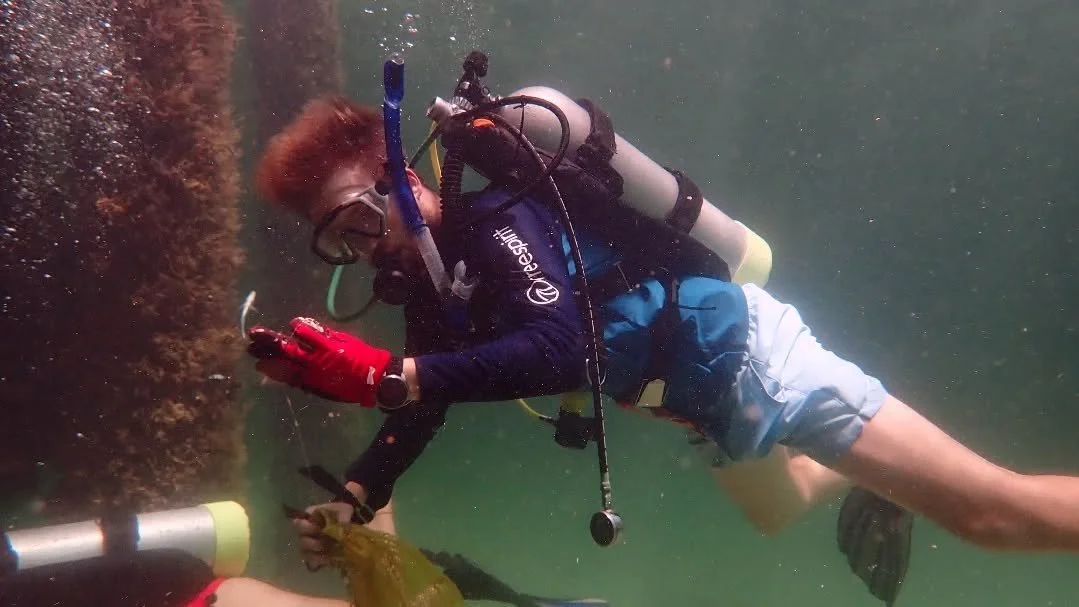
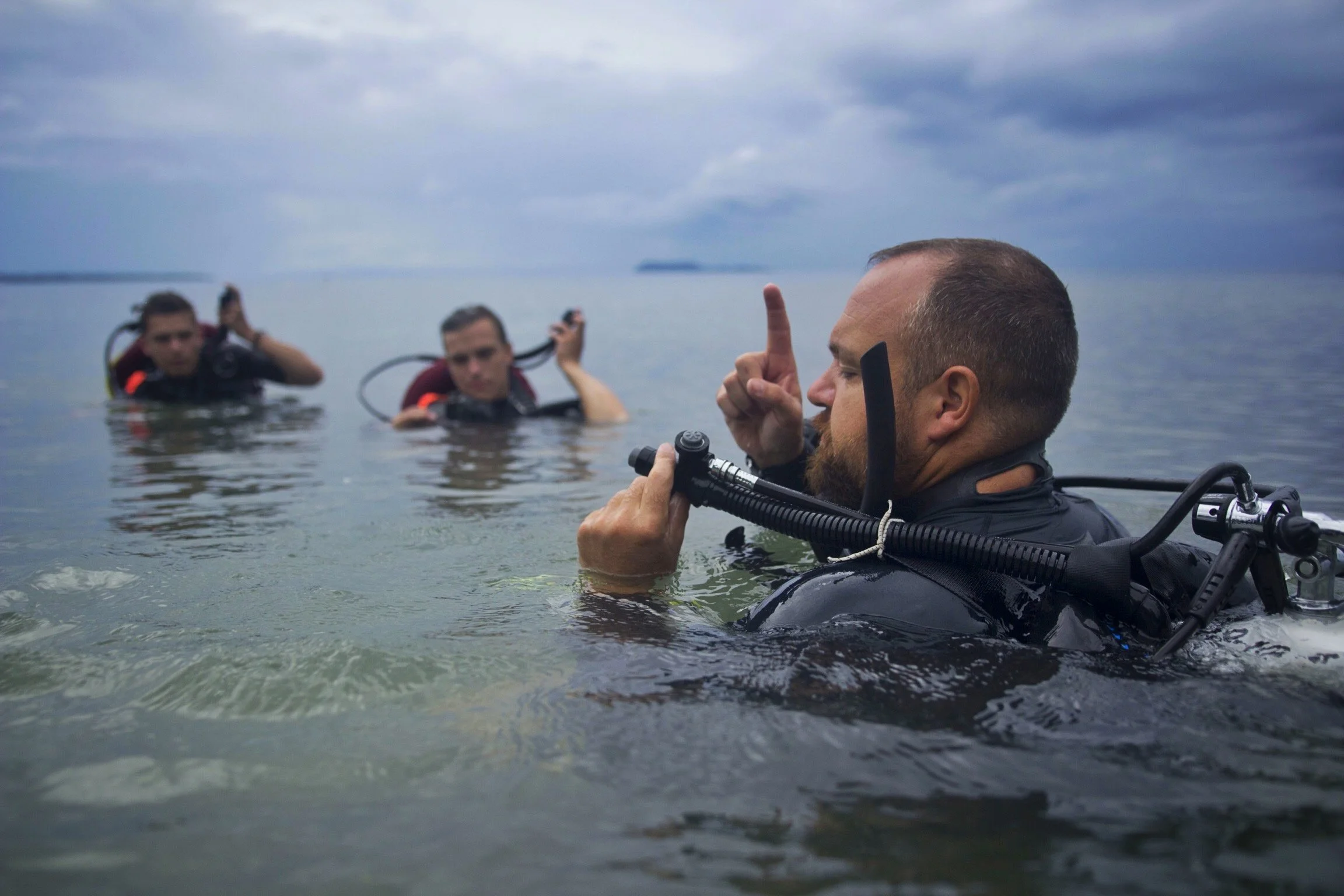
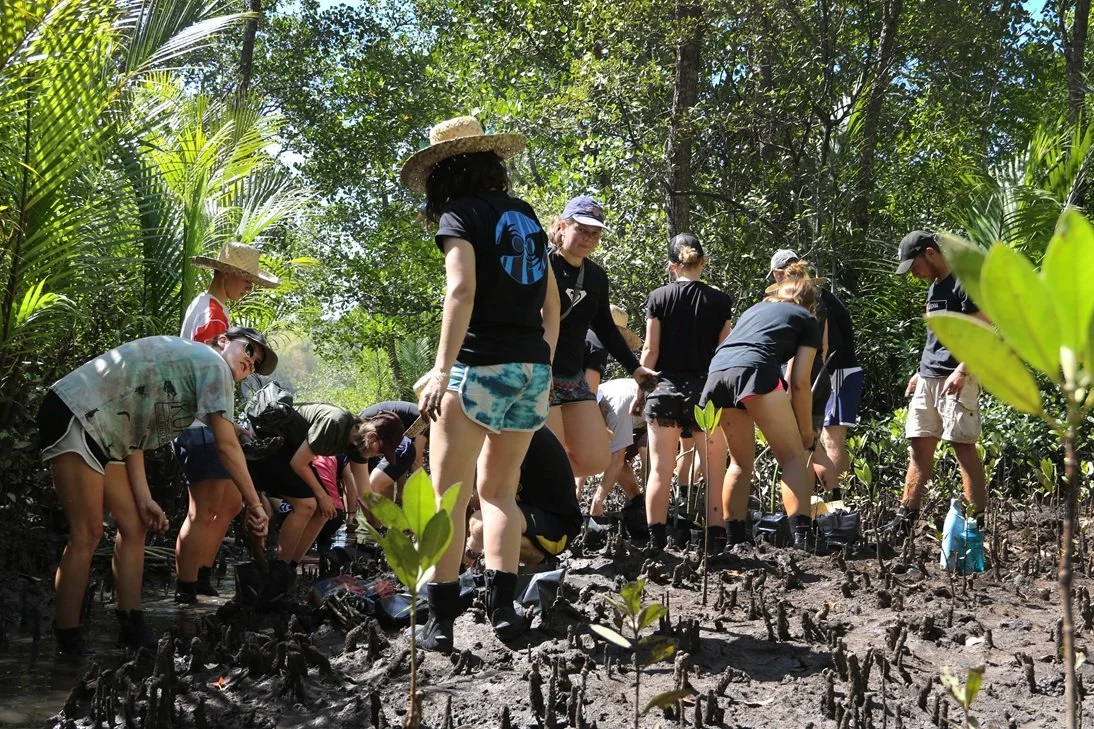
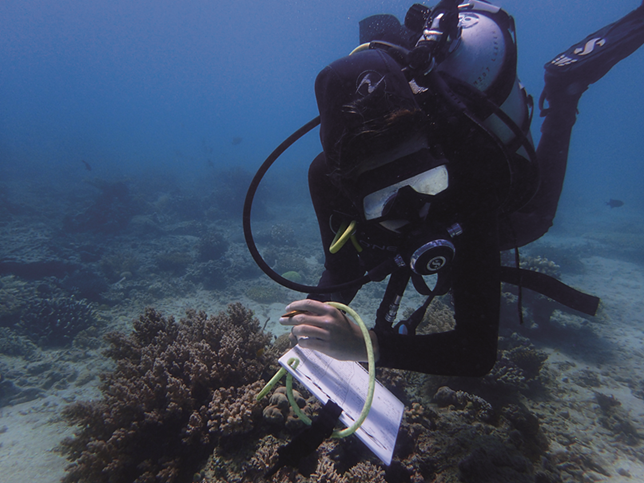
At its core, Reef Buddy Philippines is built on collaboration. We work closely with local government units, dive centers, schools, and community organizations to ensure that conservation efforts are not only scientifically sound but also socially inclusive. Our programs emphasize capacity‑building, equipping local stakeholders with the knowledge and tools they need to safeguard marine resources for generations to come. Volunteers and interns play a vital role in this process, joining structured projects that range from reef monitoring and artificial reef development to marine debris clean‑ups and environmental awareness campaigns.
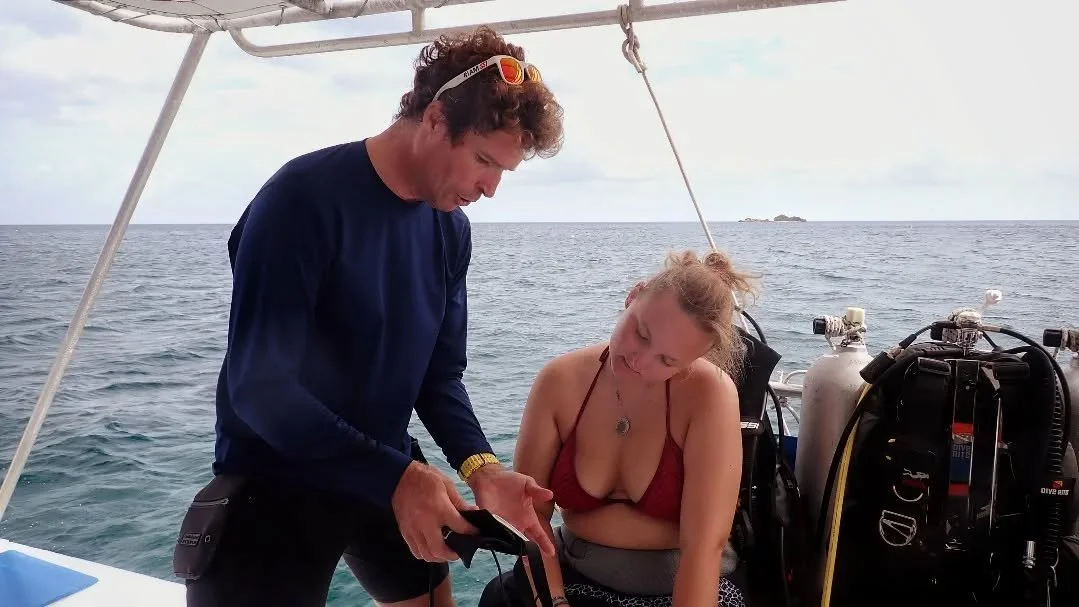
Education is a cornerstone of our approach. We believe that lasting change begins with awareness, so we design workshops, school visits, and community events that make marine science accessible and engaging. By demystifying topics like coral bleaching, fish population dynamics, and the impacts of climate change, we inspire both young learners and seasoned divers to take action. Our volunteer training programs also ensure that participants leave with practical skills in reef survey techniques, species identification, and conservation project management—knowledge they can carry into future careers or advocacy work.
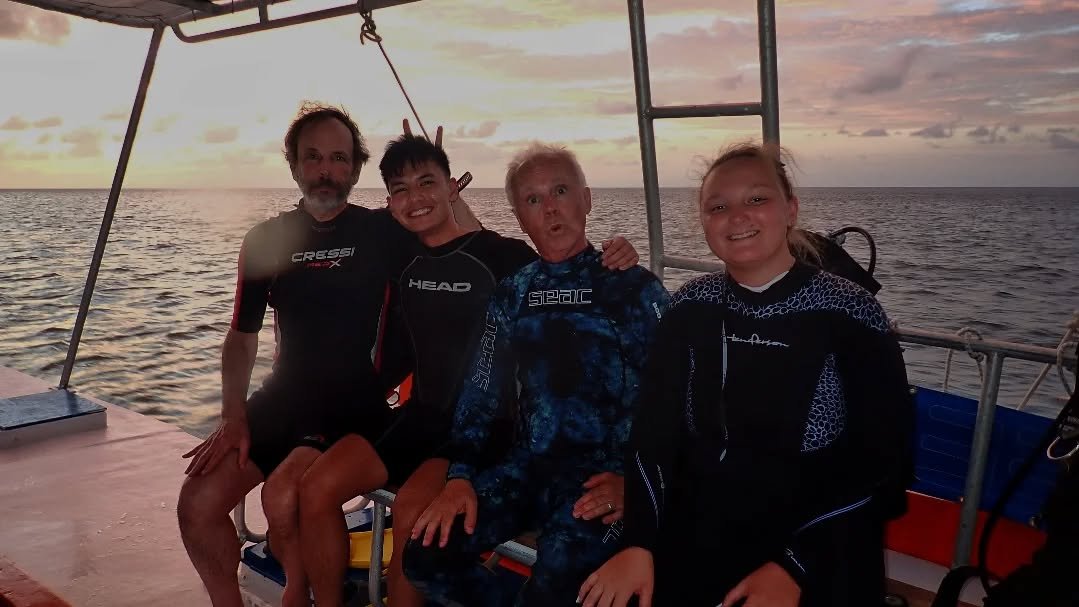
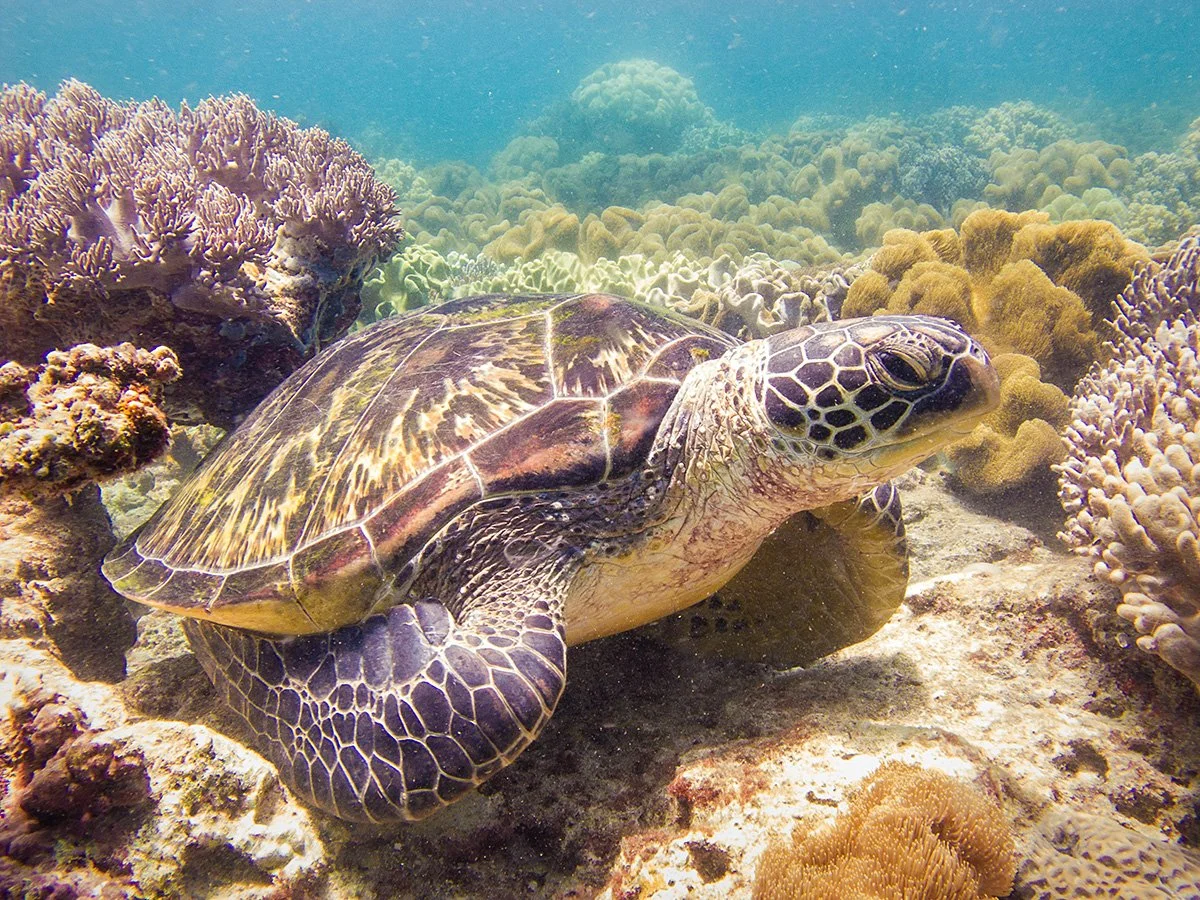
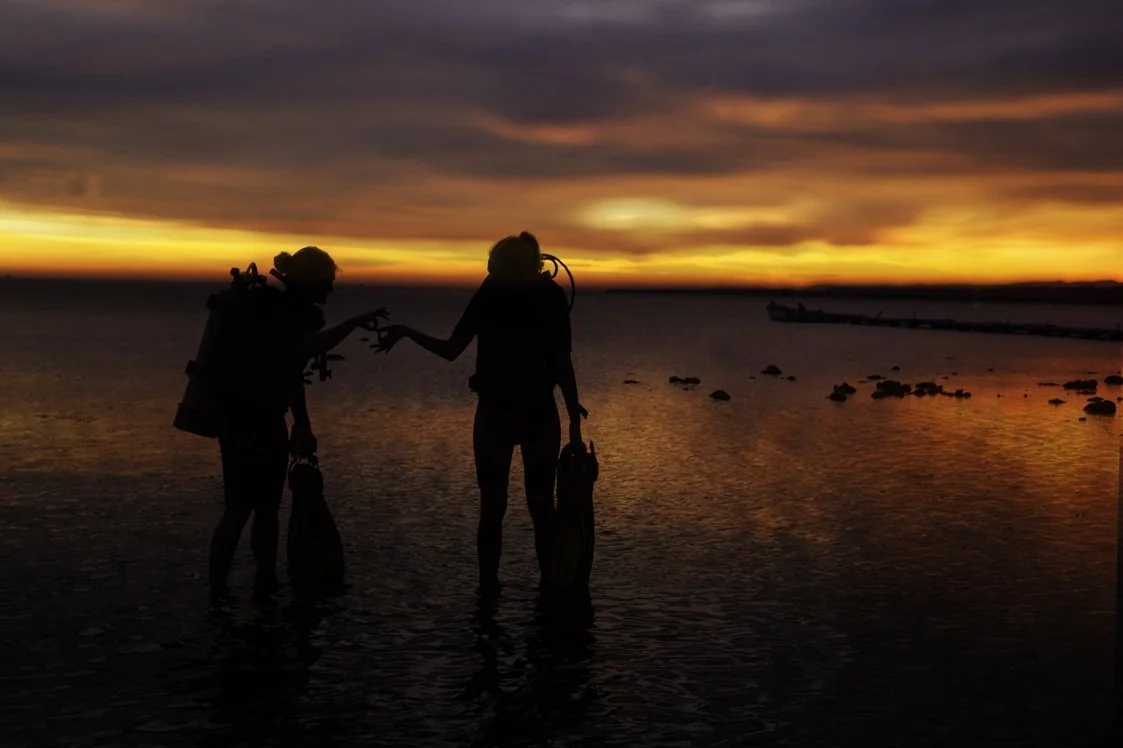
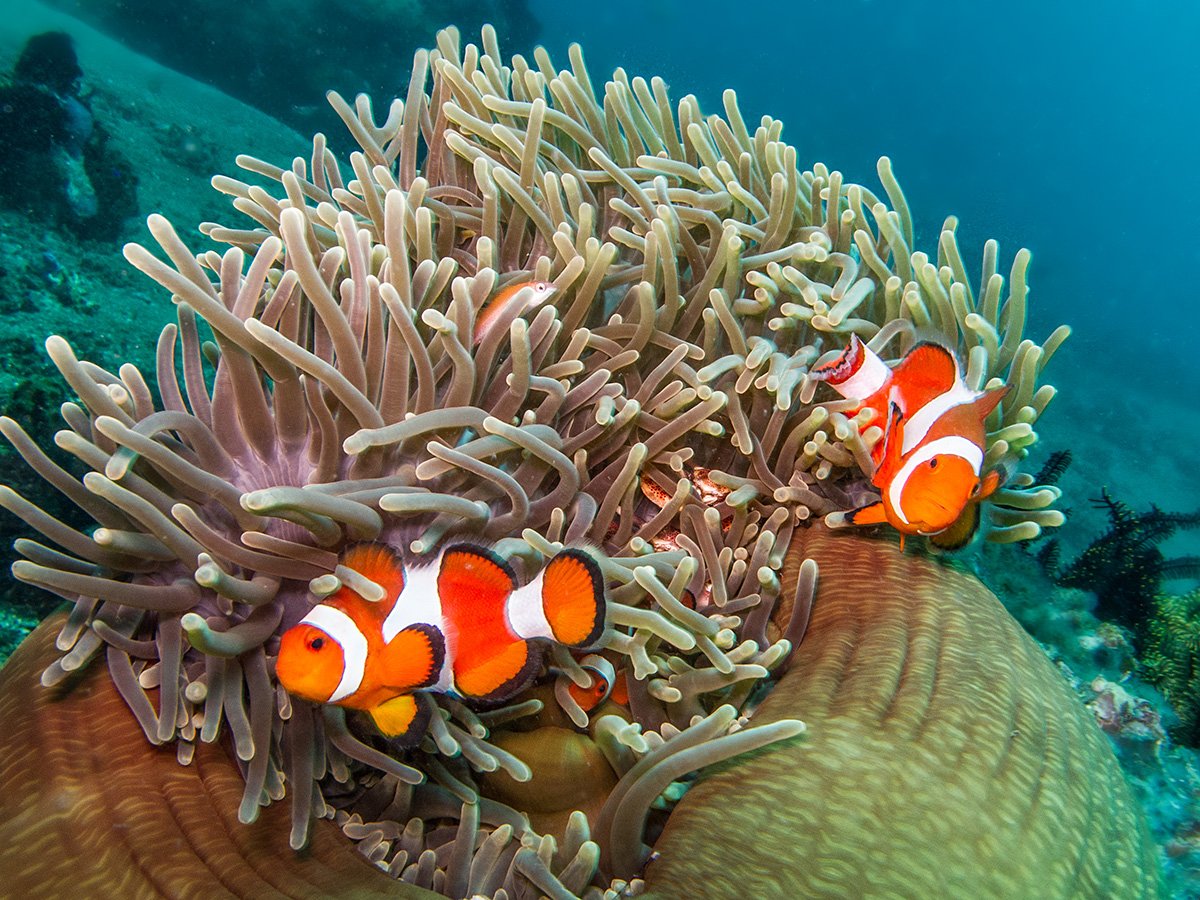
Equally important is the immersive experience we provide. Reef Buddy Philippines is not just about data collection or policy advocacy; it is about fostering a deep, personal connection to the ocean. Volunteers dive into vibrant reefs, witness the resilience of marine life, and contribute directly to restoration projects. Non‑divers are also welcome, with opportunities to support education, outreach, and coastal clean‑up initiatives. Every participant becomes part of a global network of ocean advocates, united by a shared commitment to conservation.
Sustainability underpins everything we do. We recognize that conservation cannot succeed without addressing the needs of local communities. That is why our programs integrate livelihood support, eco‑tourism development, and skills training. By creating pathways for sustainable income—whether through guiding, reef stewardship, or eco‑friendly enterprises—we help ensure that conservation is not a burden but a benefit to those who depend most on marine resources.
Ultimately, Reef Buddy Philippines is more than a project; it is a movement. It is a call to action for divers, travelers, students, and community members to join hands in protecting the reefs that sustain life and livelihoods. Whether you are seeking a meaningful volunteer experience, a chance to learn marine science, or simply a way to give back to the ocean, Reef Buddy Philippines offers a platform where your efforts truly matter.
Together, we can safeguard the beauty and biodiversity of the Coral Triangle, ensuring that future generations inherit seas that are thriving, resilient, and full of wonder.