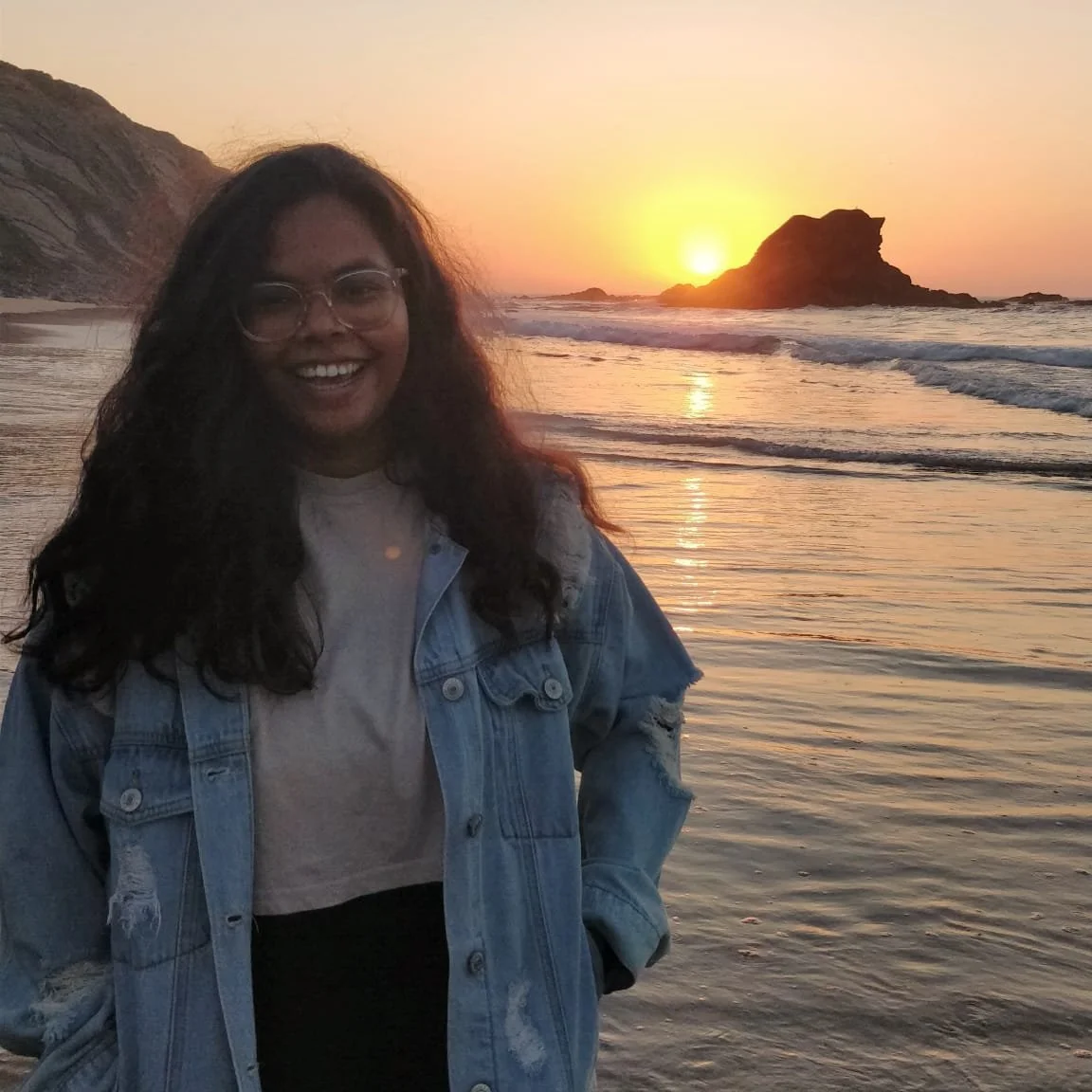
Rutuja Bansod works as a project coordinator for a nonprofit marine conservation organisation in India, helping run a marine mammal helpline that responds to reports of stranded marine wildlife. Her role combines incident response, project coordination, communications, partnership-building, and outreach. Rutuja shares what the work involves, how they built their career through education and internships, and what they has learned about developing skills, building relationships, and finding opportunities in marine conservation.
Profile snapshot
- Role: Project coordinator
- Organisation type: NGO / nonprofit
- Country / region: India / Asia
- Role type: Project coordinator
- Topics: Marine mammals; Wildlife stranding; Conservation; Stakeholder engagement; Science communication; Coordination and operations
Jump to
Your current role
What is your current role, and what kind of organization do you work for?
I work as a project coordinator at a non-profit organisation focused on marine conservation, based in India. I am responsible for the day-to-day operations of a marine mammal helpline that allows citizens along India’s coastline to report injured, dead or alive marine animals, including sea turtles, dolphins, whales and seabirds that have washed ashore. Animals that wash ashore - stranded - are unable to go back into the water due to injuries, sickness, or simply because they are dead.
I answer calls, gather information about each reported case, and guide citizens on the next steps. Depending on the incident, I coordinate with state forest departments, veterinarians, local rescue organisations, and/or fishing communities to ensure the animals receive appropriate responses.
Beyond responding to such incidents, the information collected through the helpline helps build long-term records of where and when these events were happening. Over time, this allows us to understand and identify patterns, trends, and emerging threats to marine wildlife and to improve conservation strategies.
What does a typical week look like?
My role is a mix of project management, communications, and partnership-building. In addition to responding to and documenting helpline calls, I manage various activities including facilitating vet workshops, coordinating with collaborators, tracking project finances, preparing reports for donors, and supporting the hiring process.
I am also responsible for communicating the organisation's and project’s work to different audiences. This includes creating project-related content, writing press releases, designing outreach and educational materials, and documenting the project. I also contribute to writing project proposals for government agencies and potential donors to help expand the initiative and secure funding.
What skills do you use most often in your role, including any technical, practical, or soft skills?
The skills most often used in this role are project management, communication, problem-solving and organisation. A big part of my role involves establishing, coordinating and managing collaborations with various stakeholders, so clear communication and relationship-building are very important. Building relationships often requires meeting people in person, which means arranging travel, coordinating meetings and follow-ups with government officers and partners, and making quick logistical arrangements when an emergency case requires on-ground support.
Practical skills include writing, social media management, designing promotional materials, organising workshops (online & offline) and tracking project funds. On the other hand, this role requires adaptability, managing multiple responsibilities, and the ability to think on my feet when plans change.
Every job has a best part and a worst part. What are they for you?
The task I look forward to most is designing outreach and promotional materials, as I enjoy turning ideas and information into engaging, accessible content for disseminating marine science knowledge. It allows me to explore and enjoy every bit of creative freedom, bringing ideas to life through designs. In this role, I have had the opportunity to create infographics, short videos, posters, flyers, and brochures for a diverse audience.
As the project directly deals with stranded animals, often injured or dead, this is naturally the saddest and hardest part of the job. Since I started this work, I have encountered many injured or dead marine animals. In some cases, it can be difficult to determine the exact cause of death due to the condition of the animal. Post-mortem examinations have revealed plastic and fishing gear in their guts, injuries caused by boat propellers, and animals becoming entangled in fishing nets.
At the same time, there are cases where a live animal is rescued, treated, and successfully released back into the sea. These cases are incredibly rewarding and often remind me why I am in this line of work.
What does this job demand of your schedule or lifestyle?
This project establishes a marine helpline initiative through which people along the Indian coastline can call to report cases. Firstly, it is a mobile helpline available to all; calls can come in at any time, day or night. This means the role requires being on-call, ready to receive and respond to reports whenever they come in, including outside regular working hours.
Secondly, the role involves collaborating with partners across multiple coastal states, which requires frequent travel, particularly for meetings, workshops, and emergency responses. It requires a certain level of flexibility with my schedule, and being prepared to adjust plans at extremely short notice is an important aspect of the job.
Who else do you work with or depend on to get your job done?
As I mentioned before, my work depends on collaboration with people from several different backgrounds. This includes government officers and forest departments, veterinarians and marine animal experts, local NGOs, fishing communities, researchers, and project partners and donors.
For wildlife cases, I coordinate with veterinarians and government officials to handle cases. For project activities, I work with partners and local communities to organise workshops, field activities, and meetings. I also work with project officers, outreach officers and external partners on communications, reporting, and sharing the project's impact. I also work alongside a Research Associate to develop project proposals and prepare policy recommendations and documents for government agencies. Communicating and coordinating with internal and external partners helps me get my work done more effectively.
Your route into this work
How did you get into this work, and were there any key opportunities, decisions, or turning points along the way?
I got into this work through my education and internships, where I gained experience across marine conservation, biodiversity, and climate change. These experiences helped me build a range of skills, from data collection and analysis to laboratory work and science communication.
Throughout my career, I try to take up opportunities where I can learn something new while also building on the skills I already have. This role was particularly interesting to me because I had not previously worked directly with marine mammals, giving me an opportunity to step into a new area of marine conservation while also gaining experience in the marine science sector in India.
Looking back, I think being open to learning and taking on opportunities outside my existing experience has been an important part of how I have built my career so far.
What education, training, or experience helped you get into this role?
I have a BSc in Life Sciences and an MSc in Ecology & Environmental Sciences. During my college years, I interned across different areas of marine and environmental work to explore and understand my interests and strengths. Growing up by the sea, I was familiar with coastal communities from an early age and had extensive experience working with various communities through research projects. These experiences made me realise the disconnect between society and the scientific community and how much I wanted to work at the intersection of communities, communications and ocean science.
To further explore communications and outreach, I pursued an ERASMUS degree specialising in Ocean Literacy & Marine Education, where I learnt how to make ocean science easy and accessible to diverse audience groups. This combination of academic training, practical experiences and community engagement helped me prepare for my current role.
What is one opportunity you almost didn’t apply for, but are glad you did, and why?
IMBRSea program. At the time, a friend of mine who was living in Belgium met someone who had completed IMBRSea. My friend told me about the programme and encouraged me to apply. I looked at the programme website and realised that I didn’t have great grades or enough experience to be considered for such a highly competitive programme. But my friend insisted that I apply. With his help, I submitted my application and then completely forgot about it, fully expecting not to be selected. Four months later, I received an acceptance letter in my inbox and went on to have one of the most amazing learning experiences of my life!
There are three things I learned from this experience. First, you miss 100% of the shots you don’t take. So, apply for anything and everything, because life can surprise you. Second, surround yourself with people who expose you to better opportunities and encourage you to take them. And third, never doubt yourself or your ability to get things done.
Is there any education, training, or experience you wish you had done/gotten?
Understanding policy and how it works is something I wish I had learned earlier in my career. Having a better understanding of how policies are developed, who influences them, and how to engage with the process can make it much easier to work towards policy change. I believe policy can play a crucial role in creating the broader, long-term changes needed in conservation, and developing this knowledge earlier would have made it easier for me to transition into this area later in my career.
Is there anything people think they need for this career that may not actually be essential?
I don’t think one necessarily needs a formal degree in marine biology to enter the marine science sector. If you have genuine interest and curiosity, volunteering and internships are great ways to build relevant skills, gain hands-on experience, and gradually establish yourself in the field.
As a first step, I would recommend researching organisations and institutions working in areas that interest you and learning about their work and approaches. LinkedIn and other social media platforms can also be useful for finding researchers and professionals in the field, following their work, and learning about opportunities. Most importantly, don’t be afraid to reach out and start conversations - many opportunities can come from simply being curious and willing to learn.
Reflections and advice
What advice would you give someone interested in this kind of work, and where should they look for their first step?
If you are interested in working with marine mammals, there are several paths you can explore. You can work on the frontline as a first responder, veterinarian, or researcher, or work closely with government agencies and conservation organisations to develop systems, reporting channels, and response protocols for marine animal cases, while ensuring the safety of both animals and people.
As a first step, identify which aspect interests you most and look for volunteering, internships, or field opportunities with organisations already working in this area.
What is one mistake, challenge, or lesson from early in your career that taught you something useful?
One mistake I made early in my career was being too selective about the skills I wanted to learn. I focused mainly on the areas I was already interested in and, as a result, missed opportunities to develop technical skills such as R and statistical analysis tools. I later realised that even if a skill doesn't seem directly relevant to what you want to do at the time, having a basic understanding of it can open up opportunities and make it easier to work across different areas. Since then, I have tried to be more open to learning skills beyond my immediate interests and to see them as tools that could be useful later in my career.
Is there anything else you’d like to say?
One thing I would encourage anyone entering this field to do is meet people and network as much as possible. You can learn so much from people simply by having conversations with them. Reach out to people whose work interests you, ask questions, seek their insights or mentorship, and don’t be afraid to ask for advice or even a referral when appropriate. You never know who might respond or where that conversation might lead. Leverage social media platforms to their full potential, as you have the full liberty to set your algorithm accordingly.
I have had the opportunity to meet and speak with many people in the marine science community, and I have been fortunate that so many of them have been kind, generous with their time, and willing to help me in different ways. That is one of the things I really appreciate about the marine science community – the willingness to share knowledge, make connections, and support people who are genuinely interested in learning and contributing to the field.