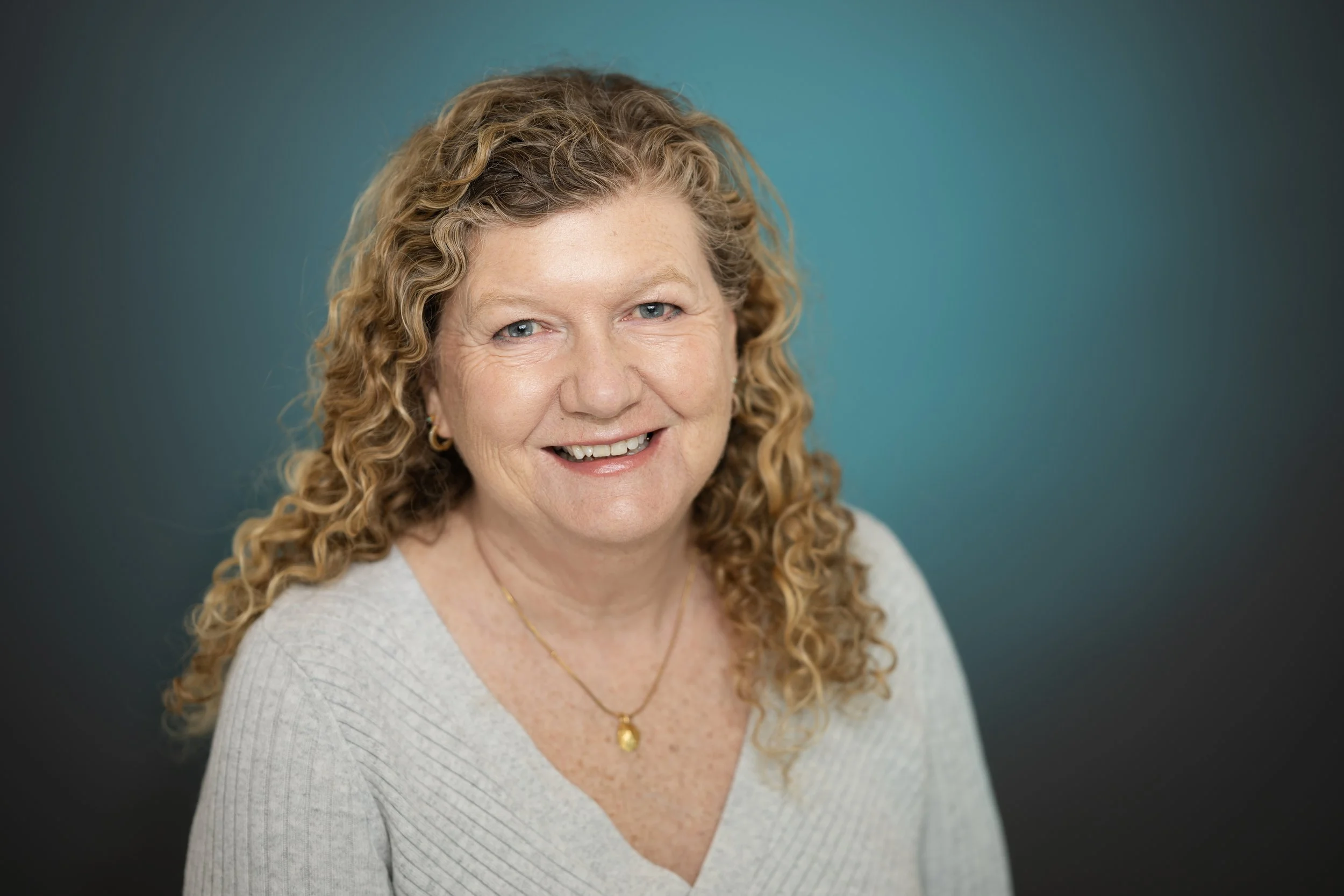
Jo Ruxton MBE is the Founder of Ocean Generation, a UK-registered ocean conservation charity that grew out of a film project and now focuses on education, outreach and public engagement. Her career has moved between marine conservation, underwater wildlife filmmaking and nonprofit leadership, including work with WWF Hong Kong and the BBC’s Blue Planet team.
Profile snapshot
Role: Founder
Organisation type: NGO / nonprofit
Country / region: UK / Europe
Role type: Founder / entrepreneur; Outreach specialist; Creative / media professional
Focus areas tags: Conservation; Science communication; Ocean literacy; Education; Advocacy
Jump to
Your current role
What is your current role and what kind of organization do you work for?
I am the Founder of the NGO Ocean Generation which is registered as a charity in the UK.
What does a typical week look like?
There is rarely such a thing as a “typical week” in my role — and that is one of the things I value most about it. As Founder of a small organisation, I have been involved in almost every part of our work, from shaping strategy and supporting each department to sharing our message with audiences around the world. A key part of my outward-facing role is delivering talks and webinars — sometimes from small expedition vessels at sea, and other times at conferences, schools, corporate events and public events. Each talk needs to be carefully researched and updated so that it is current, accurate and meaningful for its audience. I also spend time keeping our science up to date and contributing to our social media platforms, helping to translate complex issues into messages that can inform, engage and inspire people to act. I am currently researching my next film project, so fundraising is becoming an increasingly important part of my work. And, like many people, my week still includes plenty of time at my laptop in Teams meetings and working through correspondence — but all of it is connected by the same purpose: to help protect the ocean and encourage positive change.
What skills do you use most often in your role, including any technical, practical, or soft skills?
The organisation began because of a film I was producing and without the filmmaking experience it would not have started. Those skills continue to be used with our social media posts and short educational films. IT skills are important and these need to remain current with a remote office. Canva/Keynote/PowerPoint are essential for my role.
Every job has a best part and a worst part. What are they for you?
The best part is when my work takes me out into the wild and reminds me why I work so hard to spread the Ocean conservation message as much and as far as I can. My work has taken me to the Arctic and the Antarctic and many places in between that I used to dream of visiting, the Galapagos being a prime example.
The hardest part for me has always been fundraising. I have never been comfortable asking for donations and in these challenging times, it is not getting any easier.
Your route into this work
How did you get into this work, and were there any key opportunities, decisions, or turning points along the way?
I was living in Hong Kong and was invited to start up a marine conservation programme for WWF HK. Up until that time much of their work had revolved around the trade in endangered species as well as managing a globally important wetland, a vitally important feeding ground for migrating birds. In the late ‘80s/early ‘90s when I joined them, there was no legislation there to protect anything below the high-water mark so the coastal waters were being developed, over-fished and polluted. My work there coincided with the development of Hong Kong’s new airport, at the time the biggest engineering project on the planet, that included a huge sea-filling operation to create a 6km platform. This threatened not only the corals and all associated marine life but the new airport was being built in the middle of the nursery and feeding grounds of the Chinese White Dolphin, Sousa chinensis. I was in at the deep end from day one.
What amazed me at the time, and sticks with me now, is how people change once they understand the consequences of their actions, and how they want to help to avoid or at least mitigate damage to the Ocean. Essentially I believe that most people are good and want to do the right thing. Within 4 years there was legislation to protect parts of the coastal waters and no further development has taken place without a full Environmental Impact Assessment (EIA) being carried out (none had been undertaken for the airport).
I did a career change which meant leaving HK to start working at the BBC’s Natural History Unit where I joined the BBC’s Blue Planet team and for the following 12 years worked on the production of underwater wildlife films. I left the BBC to make my own film, having been frustrated that the BBC never covered environmental issues, despite my efforts to include messaging along those lines. I established the charity to give the film a legacy through education and outreach programmes so am making the most of the experience both career paths have taken me.
What education, training, or experience helped you get into this role?
Degree in Marine Biology helped. Being a scuba instructor brought passion into the role and allowed me to dive for work as well as gathering footage for films.
Reflections and advice
What advice would you give someone interested in this kind of work, and where should they look for their first step?
Try and gain as much experience as possible in the field you are interested in. If it’s filmmaking, create a showreel, for example; if it is conservation, volunteer where you can. It is the extra experiences that make you stand out, plus it is easier to speak from the heart when there is something you have done vs. something you have looked up.